
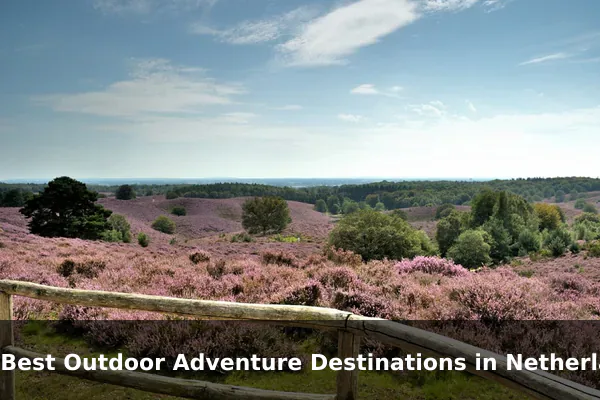
The Netherlands is often pictured as a flat patchwork of canals, tulip fields, and historic cities, but beyond the urban postcards lies a surprisingly rich playground for outdoor adventurers. From mudflat hikes across the Wadden Sea to cycling through ancient heathland, canoeing wetland mazes, and windsurfing on open lagoons, the country packs an unexpected variety of active experiences into a compact, easy-to-navigate landscape. Its excellent public transport, dense cycling network, and well-managed national parks make it one of Europe’s most accessible destinations for travelers who want to spend their days moving through nature rather than standing in museum queues.
This guide highlights ten of the best outdoor adventure destinations across the Netherlands, focusing on hands-on experiences like hiking, biking, paddling, and watersports rather than sightseeing alone. For each spot you will find a practical visitor tip, guidance on the best time to go, and a note on likely costs so you can plan realistically. Because weather, access rules, and prices in protected nature areas can change with the season, always confirm current details with official sources such as the Dutch national parks portal, Staatsbosbeheer, Natuurmonumenten, and the KNMI weather service before you set out.
Hoge Veluwe National Park
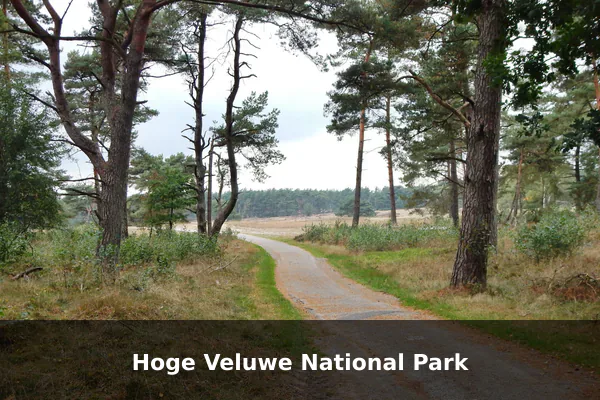
Hoge Veluwe is one of the largest continuous nature reserves in the Netherlands, blending drifting sand dunes, dense woodland, and open heathland within a single fenced park near the Veluwe. Its scale and variety make it a rare place where you can cycle for hours through shifting landscapes, and the on-site Kröller-Müller Museum and sculpture garden add a cultural draw few outdoor reserves can match.
Visitors can pedal the extensive network of paved cycle paths linking the dunes, forests, and gardens, often pausing at viewpoints and hides to look for red deer, mouflon, and wild boar. Early and late in the day are quietest, and the park’s mix of recreation and art means you can pair a long ride with a stop at the museum without leaving the grounds.
Travel tip: Grab one of the free white bicycles available at the park entrances to cover the long trails between dunes, woods, and the sculpture gardens without tiring out.
Best time to visit: Late spring through early autumn for dry trails; arrive at opening (around 9:00) on weekdays to avoid crowds and improve deer-spotting chances at dawn and dusk.
Ticket price: Paid park entry with an additional museum surcharge; exact fees vary by season, so check the official site before visiting.
Wadden Sea Mudflat Hiking (Wadlopen)
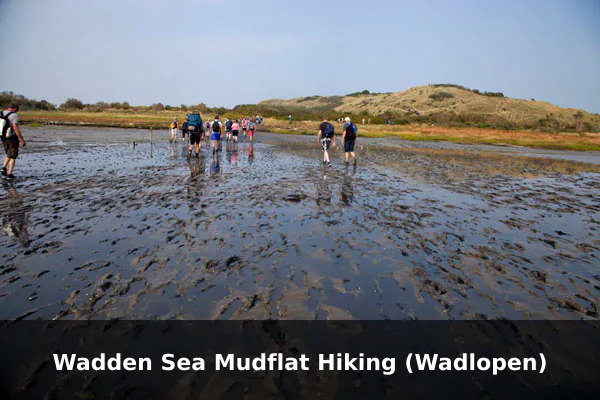
Wadlopen is a distinctly Dutch adventure: walking out across the exposed seabed of the Wadden Sea, a UNESCO-listed tidal area, when the water retreats at low tide. Setting off from the Groningen or Friesland coast toward islands like Schiermonnikoog or Ameland, it offers an immersive way to experience a vast, shifting wetland that is fully submerged just hours later.
Along the crossing, walkers wade through channels, sink into soft silt, and encounter seals, wading birds, and tidal life on the open flats. Because the route changes with the tides and weather, crossings are always led by guides who read the conditions, and the physical, mud-and-water nature of the walk makes it as memorable as it is demanding.
Travel tip: Only attempt wadlopen with a licensed certified guide and book ahead, as tides are dangerous and crossings are strictly weather-dependent.
Best time to visit: Late spring to early autumn during scheduled low-tide windows; tours run on specific days set by tide tables rather than fixed daily hours.
Ticket price: Prices vary by route and operator; guided crossings carry a per-person fee, so confirm when booking.
Biesbosch National Park
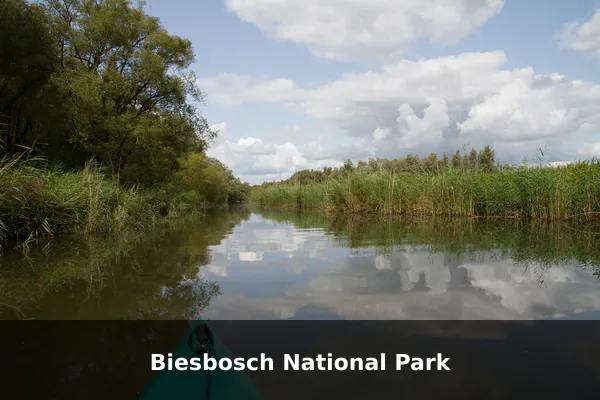
The Biesbosch is one of the largest freshwater tidal wetlands in Europe, a maze of narrow creeks, willow forests, and reed beds shaped by the rivers that feed it. Its labyrinth of waterways is best explored from the water itself, making it a standout destination for paddlers seeking quiet, green channels rather than open lakes.
Canoeing or kayaking lets you slip into tight creeks where beavers, kingfishers, and herons are often seen, especially in the calm of early morning. Visitor centers provide waterway maps to help navigate the network, and the shifting tidal levels and overhanging branches give each route a wild, secluded feel.
Travel tip: Rent a canoe and pick up a waterway map from a visitor center, and bring waterproof bags since narrow creeks have low branches and shallow spots.
Best time to visit: April to October for paddling; early morning offers calm water and the best chance to see beavers and kingfishers.
Ticket price: Park access is generally free; canoe and kayak rentals are charged per hour or day and prices vary by provider.
Dunes of Texel National Park
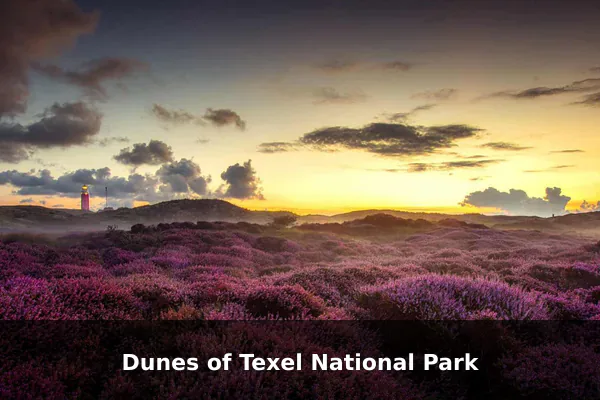
Texel is the largest of the Wadden islands, and its national park protects a sweeping mosaic of dunes, salt marsh, heath, and broad North Sea beaches. The combination of varied coastal habitats and rich birdlife makes it one of the best places in the country to pair active days outdoors with serious wildlife watching.
Cycling is the natural way to move between the beaches, the iconic red lighthouse, and the bird hides scattered across the dunes, while long beach walks reward those who prefer to slow down. The island’s wetlands and dune edges draw large numbers of migratory and breeding birds, making binoculars as useful here as a bike.
Travel tip: Take the ferry from Den Helder and bring or rent a bike on the island, as cycling is the easiest way to reach the beaches, lighthouse, and bird hides.
Best time to visit: May to September for warm beach weather; spring and autumn are prime for migratory birdwatching and quieter trails.
Ticket price: Park entry is free; budget for a return ferry crossing and any bike rental, which vary by season.
Veluwezoom National Park
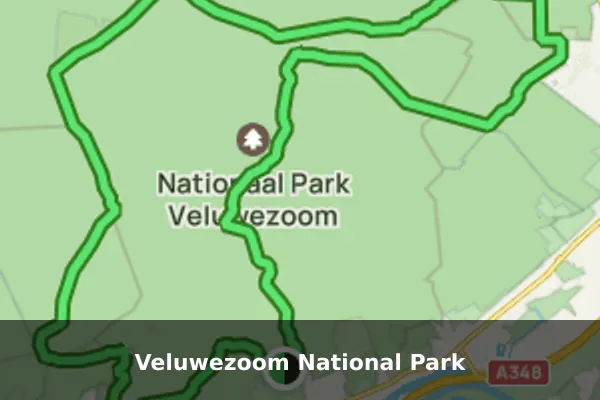
Veluwezoom is the oldest national park in the Netherlands, a landscape of rolling heathland, woodland, and gentle hills near Arnhem that feels surprisingly open for such a flat country. Its sense of space and the dramatic purple bloom of late summer heather make it a favorite for hikers and mountain bikers looking for varied, undulating terrain.
A wide network of marked trails crosses the heath and forest, with quiet viewpoints and the chance to spot grazing herds and wildlife on the open moor. The rolling profile rewards mountain bikers, while walkers can string together longer routes across exposed heath that shifts color and mood with the seasons.
Travel tip: Wear sturdy shoes and bring water, as marked trails cross open heath with little shade and few facilities between car parks.
Best time to visit: August to early September when the purple heather blooms; weekday mornings are best for solitude and cooler walking.
Ticket price: Free to enter and explore; some parking areas and visitor facilities may charge a small fee.
Brouwersdam Watersports Beach
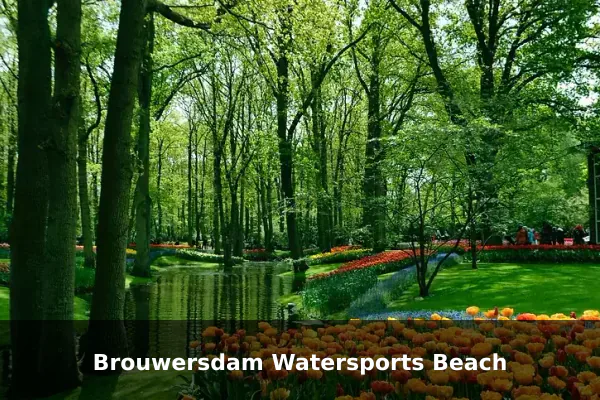
The Brouwersdam is a long barrier dam in Zeeland that separates the open North Sea from the sheltered Grevelingen lake, and that geography is exactly what makes it a magnet for wind-driven watersports. With exposed water on both sides and steady coastal breezes, it has become one of the country’s most popular spots for kitesurfing and windsurfing, drawing both seasoned riders and curious first-timers.
Here you can launch into the choppier sea side or pick the flatter lake side for easier handling, and several schools along the dam offer rental gear and lessons. Beyond surfing, the wide sandy beaches suit swimming, kite-flying, and simply watching colourful sails skim across the water on a blustery afternoon.
Travel tip: Beginners should book a lesson with a local kite or windsurf school, and always check wind and safety flags before entering the water.
Best time to visit: Spring and autumn deliver the most reliable winds for surfing, while summer suits calmer swimming and beginner sessions.
Ticket price: Beach access is free; equipment rental and lessons are charged by schools and prices vary.
Loonse en Drunense Duinen
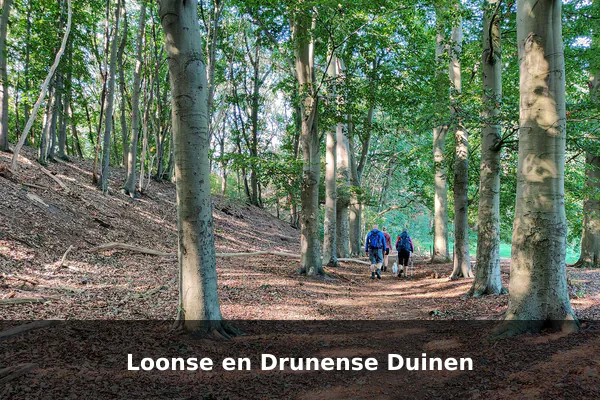
Nicknamed the Brabant Sahara, the Loonse en Drunense Duinen is one of Europe’s largest stretches of active inland drift sand, an unexpected desert-like landscape tucked between the towns of Tilburg and Waalwijk. Its rolling dunes, fringed by pine woodland and heath, give walkers and trail runners a striking sense of open space rarely found in the densely populated Netherlands.
Marked routes thread across the shifting sands and through shaded forest edges, rewarding hikers and runners with sweeping views and soft, leg-testing terrain. The wide horizons are also good for spotting birds of prey overhead, while the contrast between bare sand and surrounding greenery makes every loop feel varied.
Travel tip: Carry plenty of water and sun protection, as the open drift sands offer almost no shade and reflect heat strongly on sunny days.
Best time to visit: Spring and autumn for comfortable temperatures; early morning avoids both midday heat and weekend foot traffic.
Ticket price: Free to access; nearby car parks may charge a daily parking fee.
Oosterschelde National Park
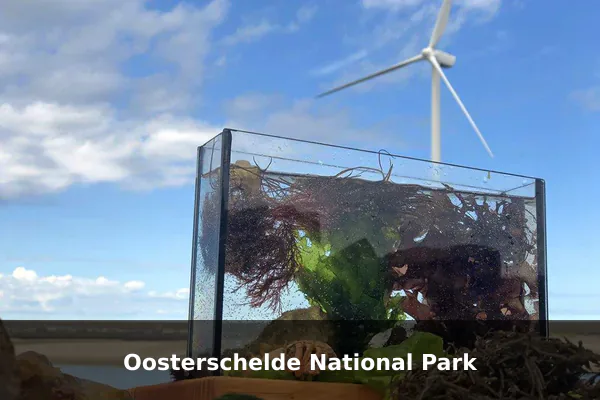
Oosterschelde is the largest national park in the Netherlands, a vast tidal estuary in Zeeland where the rhythm of the sea shapes everything beneath the surface. Its nutrient-rich waters support an unusually dense web of marine life, making it a celebrated destination for divers and paddlers who want to experience the underwater side of the Dutch coast.
Below the waterline you can encounter crabs, lobsters, anemones, cuttlefish, and seasonal schools of fish, while sea kayakers glide past oyster beds, sandbars, and resting seals on the surface. Guided dives and kayak tours run with local operators, and the tidal flats reveal an ever-changing landscape as the water rises and falls.
Travel tip: Dive only with a certified center and plan around slack tide, since strong tidal currents make timing essential for safety.
Best time to visit: Summer for warmer water and best visibility; dives and paddles are scheduled around tidal slack windows rather than fixed hours.
Ticket price: Open water access is free; guided dives, gear rental, and kayak tours carry fees that vary by operator.
Sallandse Heuvelrug National Park
In the eastern province of Overijssel, the Sallandse Heuvelrug rises as a chain of forested ridges and open heath, a genuinely hilly landscape in a country famous for being flat. These ice-age moraine hills create rare gradients and long sightlines, making the park a favourite for mountain bikers and hikers seeking something more demanding than a towpath.
Singletrack and signposted cycling routes wind through pine and oak woodland before opening onto purple heathland that is home to rare ground-nesting birds such as the black grouse. Walkers can climb to viewpoints over the surrounding Salland countryside, while the mix of shaded forest and exposed heath keeps the terrain interesting in every season.
Travel tip: Stick to the signposted mountain bike routes to protect the fragile heath and ground-nesting birds, and check trail status before riding.
Best time to visit: Late summer for blooming heather; weekday visits keep the singletrack and walking paths quiet.
Ticket price: Free to enter; parking at trailheads may require a small fee.
Lauwersmeer National Park
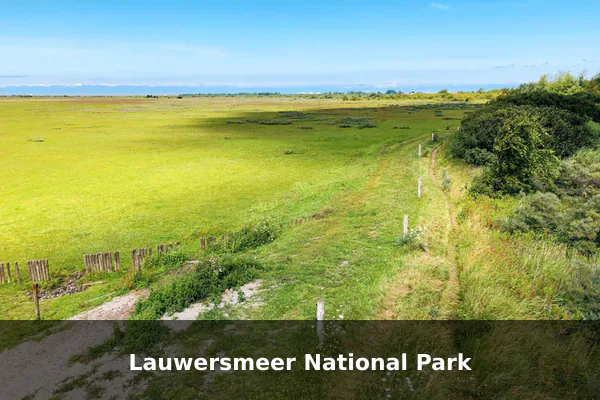
Lauwersmeer sits where a former arm of the Wadden Sea was closed off and slowly transformed into a mosaic of freshwater lakes, reed marsh, and grassland in the far north of the Netherlands. Its remote location and minimal light pollution earned it status as a certified Dark Sky reserve, making it one of the best places in the country to watch the night sky come alive.
By day you can paddle the sheltered channels by kayak, walk the marsh trails, and watch huge flocks of migratory birds that use the wetlands as a resting ground. After dark the same open landscape reveals the Milky Way and, on rare clear nights, even glimpses of the northern lights low on the horizon.
Travel tip: Bring a red-light torch and arrive after sunset on a clear night for the Dark Sky experience, and pack insect repellent for the marsh trails.
Best time to visit: Autumn and winter for the darkest skies and aurora chances; spring and summer for warm-weather paddling and birdlife.
Ticket price: Park access is free; kayak rentals and guided stargazing events are charged separately and prices vary.
Official references
- Holland.com – Official Tourism Board of the Netherlands (NBTC) – Official national tourism board website with authoritative destination facts, regional guides, and outdoor activity information across the Netherlands.
- Staatsbosbeheer (Dutch State Forestry Service) – Government agency managing national parks, forests, and nature reserves; primary source for hiking, cycling, and outdoor recreation areas and access rules.
- Nationale Parken (Dutch National Parks) – Official portal for the Netherlands' national parks (e.g., Hoge Veluwe, Veluwezoom, Dunes), with accurate facts on outdoor destinations and visitor guidance.
- Natuurmonumenten (Society for Preservation of Nature Monuments) – Major conservation organization managing nature areas; authoritative on outdoor sites, trails, and visitor safety/access information.
- KNMI – Royal Netherlands Meteorological Institute – National weather and climate authority; primary source for weather conditions and seasonal planning relevant to outdoor safety.
