
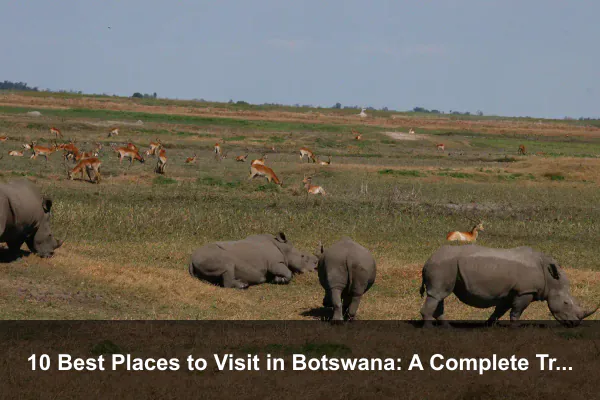
Botswana is one of Africa’s most rewarding safari destinations because its landscapes change dramatically from flooded delta channels to salt pans, desert valleys, riverfront forests and ancient rock-art hills. This guide plans a route around places that feel distinct, so travelers can compare water safaris, classic game drives, remote wilderness camps and cultural heritage stops.
The article should focus on practical decision-making: when to go, how to reach each area, what kind of traveler each place suits and what to know before booking. Every recommendation stays within Botswana and avoids generic regional detours, giving readers a focused country guide rather than a broad southern Africa itinerary.
Okavango Delta Mokoro Channels
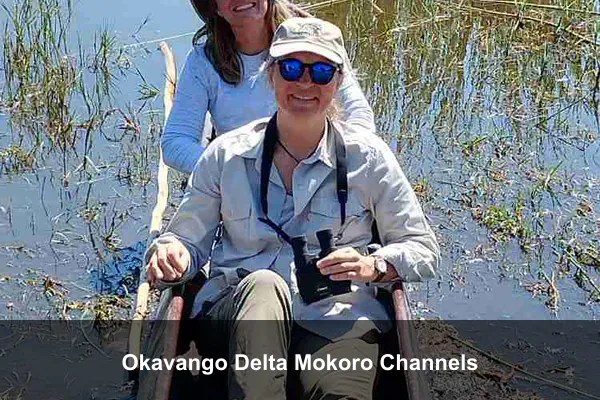
The Okavango Delta’s mokoro channels offer Botswana at its quietest, with a guide poling you at water level through reed beds, lagoons and open floodplains where birds flash past and hippos surface nearby. Reached mainly from Maun in northwestern Botswana, this slow safari is best from June to August, when flood levels are high and the waterways feel most alive. Access ranges from fly-in camps and boat transfers to easier Maun day trips; for better value, ask about community-run mokoro stations near Maun before booking a private lodge package.
| Best for | Mokoro rides, birdlife, hippos and peaceful delta scenery |
|---|---|
| Location | Northwestern Botswana, reached mainly from Maun |
| Best time | June to August for peak flood levels |
| Access | Fly-in camps, boat transfers or Maun day trips |
Additional Info: For better value, ask about community-run mokoro stations near Maun before booking a private lodge package.
Moremi Game Reserve
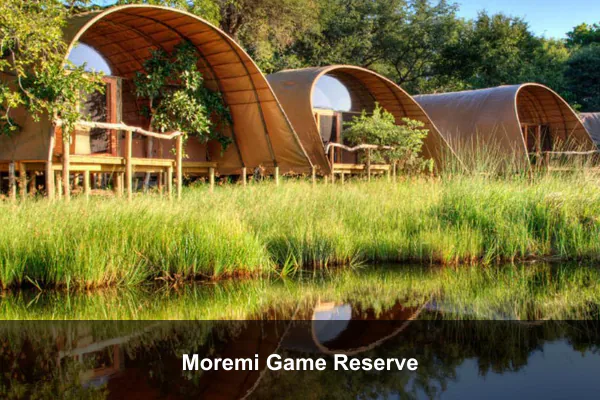
Moremi Game Reserve brings the eastern Okavango Delta’s contrasts into one superb safari area, where dry woodland, lagoons and open floodplains support elephants, leopards, wild dogs and busy predator action. Northeast of Maun, it is ideal for game drives that shift from mokoro-edged waterways to mopane tracks and sunset plains, with July to October offering the clearest dry-season wildlife viewing. Access is by 4×4 self-drive, mobile safari or light aircraft, but book early: popular campsites such as Third Bridge and Xakanaxa often sell out far ahead in peak season.
| Best for | Leopards, wild dogs, elephants and varied safari habitats |
|---|---|
| Location | Eastern Okavango Delta, northeast of Maun |
| Best time | July to October for dry-season wildlife viewing |
| Access | 4×4 self-drive, mobile safari or light aircraft |
Additional Info: Campsites such as Third Bridge and Xakanaxa can sell out far ahead, especially in the dry season.
Chobe Riverfront
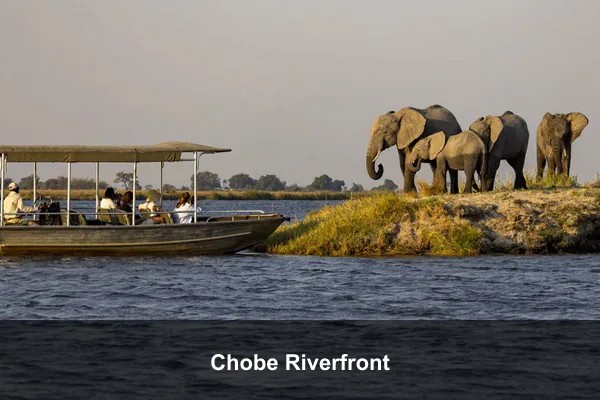
Chobe Riverfront is Botswana’s easiest place to experience a classic big-game safari, especially for first-time visitors based around Kasane in northern Botswana. The river draws huge elephant herds, buffalo, antelope and predators, with wildlife viewing at its best from May to October when animals crowd close to the water. Spend the morning on a park gate game drive, then return in the afternoon for a boat cruise, when elephants wade, drink and cross channels beside the riverbank. With Kasane lodges, guided drives and river cruises all close together, it is one of the most practical and rewarding stops on a Botswana travel itinerary.
| Best for | Elephants, buffalo, river cruises and first-time safari travelers |
|---|---|
| Location | Northern Botswana near Kasane |
| Best time | May to October for dense wildlife near water |
| Access | Kasane lodges, park gate drives and boat cruises |
Additional Info: Pair a morning game drive with an afternoon boat cruise for two very different views of the same riverfront.
Savuti and Linyanti
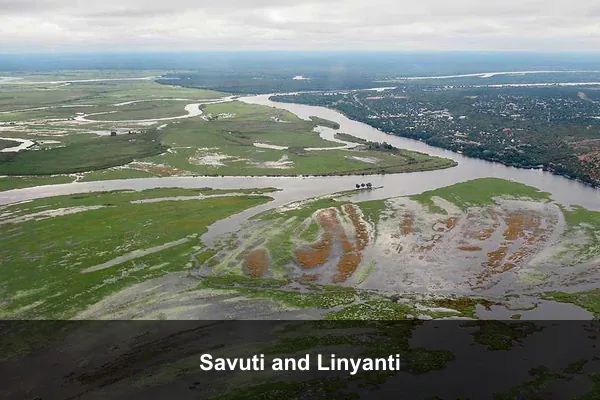
Savuti and Linyanti reveal Botswana at its rawest: a remote sweep of western and northern Chobe wilderness where lion prides, hyena clans and huge elephant movements follow ancient corridors and seasonal channels. Visit for intense game drives, quieter camps and a stronger sense of isolation than the busier Chobe Riverfront. August to October brings the most dramatic dry-season sightings as wildlife gathers around scarce water. Most travelers use fly-in camps, while self-drivers need a serious 4×4 from Kasane or Maun, plus extra fuel, water and recovery gear for slow, sandy, isolated tracks.
| Best for | Lions, hyenas, elephants and remote safari camps |
|---|---|
| Location | Western and northern Chobe wilderness |
| Best time | August to October for dramatic dry-season sightings |
| Access | Fly-in camps or serious 4×4 routes from Kasane or Maun |
Additional Info: Self-drivers should carry extra fuel, water and recovery gear because sandy tracks can be slow and isolated.
Makgadikgadi Pans National Park
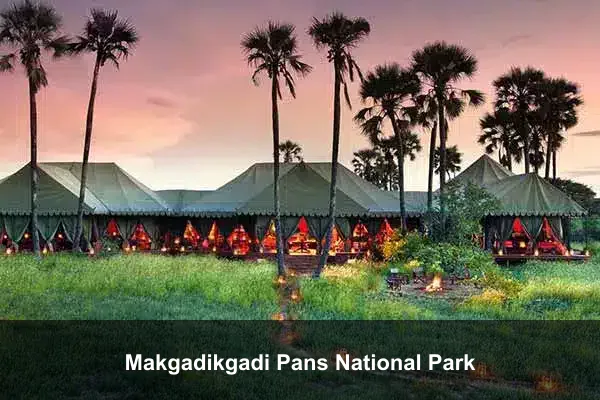
Makgadikgadi Pans National Park is one of Botswana’s most otherworldly stops, where blinding salt flats, vast horizons and star-filled skies create a true desert wilderness. Set in central-northern Botswana between Maun and Nata, it is best for salt-pan scenery, meerkat encounters and the seasonal zebra migration, with dry pans most accessible from May to October and wildlife movement peaking from December to March. Travelers usually explore by 4×4 from Gweta, Maun or Nata, combining pan drives with wildlife viewing and nights under exceptionally clear skies. After rain, never drive onto open pans, as the salt crust can trap vehicles quickly.
| Best for | Salt pans, zebra migration, meerkats and stargazing |
|---|---|
| Location | Central-northern Botswana between Maun and Nata |
| Best time | May to October for pans; December to March for migration |
| Access | 4×4 routes from Gweta, Maun or Nata |
Additional Info: Do not drive onto open pans after rain, as the salt crust can trap vehicles quickly.
Nxai Pan National Park and Baines' Baobabs
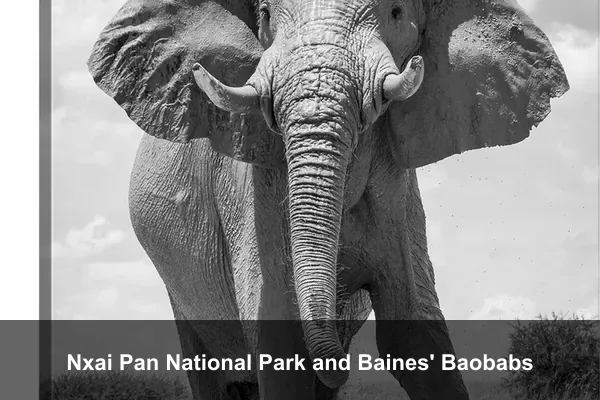
Nxai Pan National Park offers a quieter Botswana safari of wide horizons, open grasslands and shimmering salt-pan scenery north of the Makgadikgadi Pans near Gweta. Visit Baines’ Baobabs for classic photography, especially early or late in the day when low light strengthens the trees’ silhouettes and brings out the pan’s color. From December to April, green-season rains draw wildlife onto the plains, with springbok, giraffe and other grazers adding movement to the vast landscape. Access is by 4×4 from the A3 road, usually via Gweta or Maun, so plan fuel, water and park logistics before heading in.
| Best for | Baobab photography, springbok, giraffe and open-pan scenery |
|---|---|
| Location | North of Makgadikgadi Pans near Gweta |
| Best time | December to April for green-season wildlife |
| Access | 4×4 from the A3 road, usually via Gweta or Maun |
Additional Info: Visit Baines' Baobabs early or late in the day when the light gives the pan its strongest shapes and color.
Central Kalahari Game Reserve
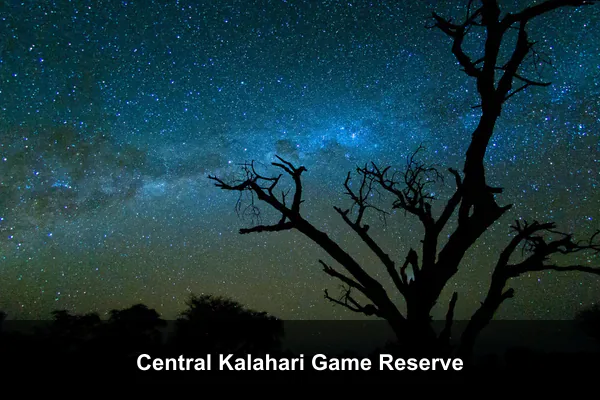
Central Kalahari Game Reserve is Botswana at its most remote: a vast desert wilderness of silence, stars and immense skies. Set in the Kalahari of central Botswana, it rewards travelers who want space as much as sightings, with desert-adapted wildlife moving across Deception Valley and the surrounding plains. Visit from December to April, when rains bring greener grass, flowers and stronger wildlife activity. Days are best spent on slow 4×4 drives, watching for oryx, springbok, brown hyena and predators adapted to this harsh landscape. Access is by 4×4 only from Maun, Rakops or Ghanzi, and you should carry more water than you think you need, as distances are long and facilities inside the reserve are minimal.
| Best for | Desert-adapted wildlife, silence, stars and Deception Valley |
|---|---|
| Location | Central Botswana in the Kalahari Desert |
| Best time | December to April for greener plains and wildlife |
| Access | 4×4 only from Maun, Rakops or Ghanzi approaches |
Additional Info: Carry more water than you think you need, because distances are long and facilities inside the reserve are minimal.
Tsodilo Hills
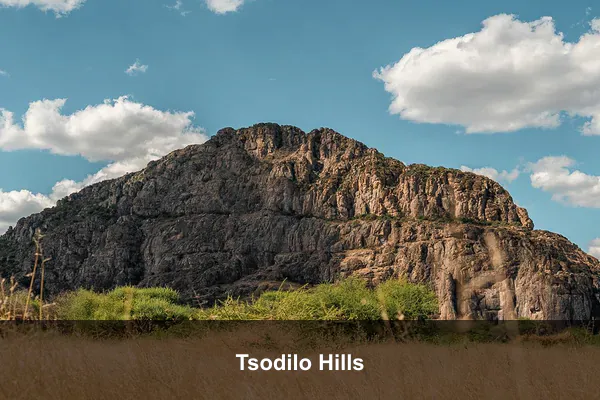
Tsodilo Hills is one of Botswana’s most powerful cultural stops, a UNESCO-listed landscape of sacred hills, San heritage, and thousands of ancient rock paintings. Set in northwest Botswana near Shakawe, it is best explored on guided walks that reveal the meaning of key art sites, the stories tied to the hills, and the care needed around culturally sensitive areas. Visit from May to September for cooler walking weather, especially if you plan to follow the main trails. Access is by road from the Okavango Panhandle, and arranging a local site guide is essential for both context and conservation.
| Best for | Rock art, San heritage, guided walks and cultural context |
|---|---|
| Location | Northwest Botswana near Shakawe |
| Best time | May to September for cooler walking weather |
| Access | Road access from the Okavango Panhandle with local guides |
Additional Info: Use a site guide, both to understand the paintings and to help protect areas that remain culturally sensitive.
Kgalagadi Transfrontier Park, Botswana Sector
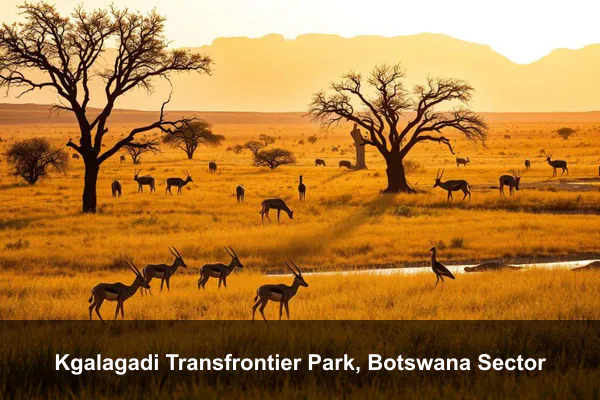
Kgalagadi Transfrontier Park’s Botswana sector is a vast red-dune wilderness in southwest Botswana along the South Africa border, ideal for self-reliant travelers who want space, silence, and serious desert wildlife. Come for black-maned lions, raptors circling over dry riverbeds, striking dune scenery, and remote camping that feels far from any crowds. The best months are March to May, when temperatures are milder and wildlife viewing remains strong. Access is by 4×4 via Tsabong, Kang, or Mabuasehube routes, and preparation is essential: fuel and food are not reliably available inside the Botswana sector, so stock up fully before entering.
| Best for | Black-maned lions, raptors, red dunes and remote camping |
|---|---|
| Location | Southwest Botswana along the South Africa border |
| Best time | March to May for milder weather and good wildlife |
| Access | 4×4 via Tsabong, Kang or Mabuasehube routes |
Additional Info: Fuel and food are not reliably available inside the Botswana sector, so stock up before entering.
Khama Rhino Sanctuary
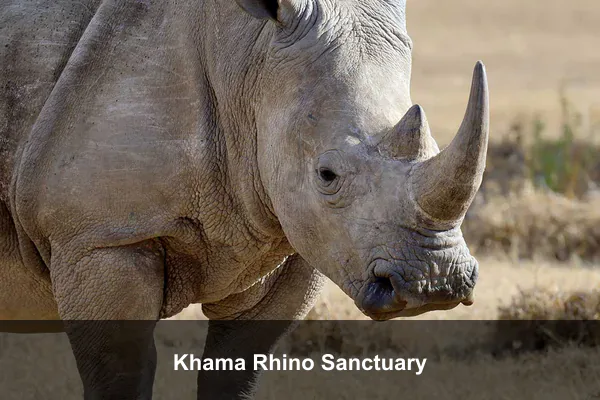
Khama Rhino Sanctuary near Serowe is a rewarding community-based conservation stop, especially for travelers hoping to see rhinos without committing to a remote safari camp. Its accessible tracks, family-friendly game drives, and strong birding make it easy to enjoy at a relaxed pace, with guided activities available if you want local insight. Just off the A1 in eastern Botswana, it fits naturally into a self-drive route and works particularly well as a first or last safari stop between Gaborone and the northern parks. Visit from April to October for cooler drives, drier conditions, and clearer wildlife viewing.
| Best for | Rhinos, family-friendly game drives and birding |
|---|---|
| Location | Near Serowe in eastern Botswana |
| Best time | April to October for cooler drives and clear visibility |
| Access | Self-drive from the A1 with guided activities available |
Additional Info: It works well as a first or last safari stop between Gaborone and the northern parks.
Tips Before You Go
Plan Botswana by season and distance: the Okavango Delta and Chobe are strongest in the dry months, while the Kalahari and pans can be excellent in the green season. Book key lodges, campsites, park entries and light-aircraft transfers early, especially from June to October.
For remote routes, use a proper 4×4, carry spare water, check fuel stops and respect wildlife distances at all times. Before departure, verify current travel guidance with Botswana Tourism and official entry or safety updates from the U.S. Department of State.
