
Romania rewards travelers who want more than a single-city break: medieval Transylvanian towns, royal castles, high mountain roads, painted monasteries, village traditions, and one of Europe’s great wetland landscapes all fit into one country.
This plan keeps the route practical by mixing headline sights with region-defining experiences, helping readers choose where to spend their time whether they have a long weekend, a one-week loop, or a slower two-week journey.
Bucharest Old Town and Palace of Parliament
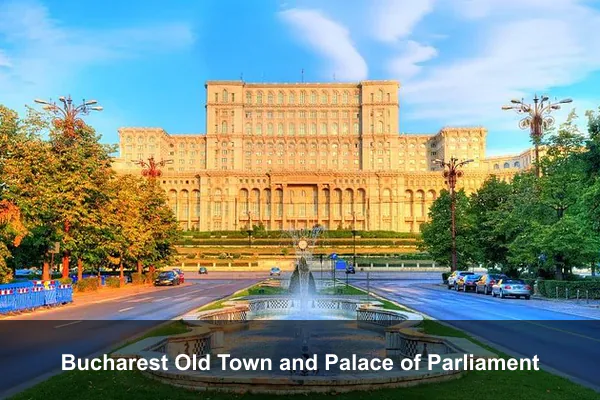
Begin in Bucharest, southern Romania, where the Old Town mixes Belle Epoque facades, Orthodox churches, lively cafes, and late-night bars with an easy first taste of the country’s capital culture. Spend the day walking Lipscani’s historic lanes, sampling Romanian food, then tour the vast Palace of Parliament for a dramatic look at communist-era ambition. April-June and September-October bring the most comfortable city weather. Fly into OTP, then use the metro, taxi, or train into the city; bring photo ID for Palace of Parliament tours, as security checks are strict.
| Best for | Capital culture and first-time orientation |
|---|---|
| Location | Bucharest, southern Romania |
| Best time | April-June or September-October |
| Access | Fly to OTP; metro, taxi, or train into the city |
Additional Info: Bring photo ID for Palace of Parliament tours, as security checks are strict.
Peleș Castle in Sinaia
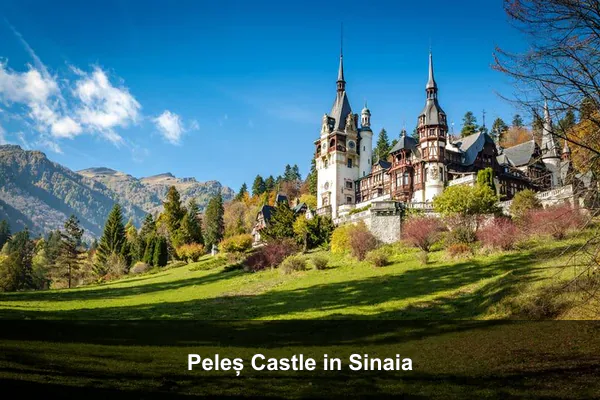
Peleș Castle makes Sinaia the most polished mountain stop in the Prahova Valley, combining royal architecture, manicured gardens, and crisp Carpathian air. Visit for the ornate castle interiors, stroll the terraces and forested paths, then linger in town for mountain views before continuing through Romania. May to October is the best window, when the gardens look their best and nearby trails are clearer. Sinaia is easy to add to a route thanks to direct trains from Bucharest or Brașov; arrive early, walk uphill from the station through the wooded castle approach, and you will reach Peleș before the busiest crowds.
| Best for | Castles, gardens, and mountain air |
|---|---|
| Location | Sinaia, Prahova Valley |
| Best time | May-October for gardens and clear trails |
| Access | Direct train from Bucharest or Brașov |
Additional Info: Arrive early from the train station and walk uphill through the wooded castle approach.
Brașov and Mount Tâmpa
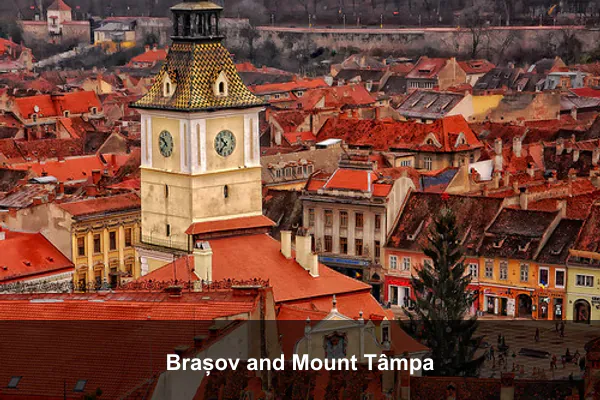
Brașov pairs one of Romania’s most atmospheric Saxon old towns with Mount Tâmpa, an easy viewpoint rising above the medieval streets and city walls. In southeastern Transylvania, spend time around Council Square, the Black Church, and narrow lanes before riding the cable car or taking the trail up Tâmpa for a sweeping look over red roofs and forested hills. For the best city view, go before sunset and walk down if daylight remains. May-June and September bring pleasant weather and fewer crowds, and access is simple by train from Bucharest, with local buses and the cable car helping you move around town.
| Best for | Medieval streets and viewpoints |
|---|---|
| Location | Brașov, southeastern Transylvania |
| Best time | May-June or September |
| Access | Train from Bucharest; local buses and cable car |
Additional Info: For the best city view, go up Tâmpa before sunset and walk down if daylight remains.
Bran Castle
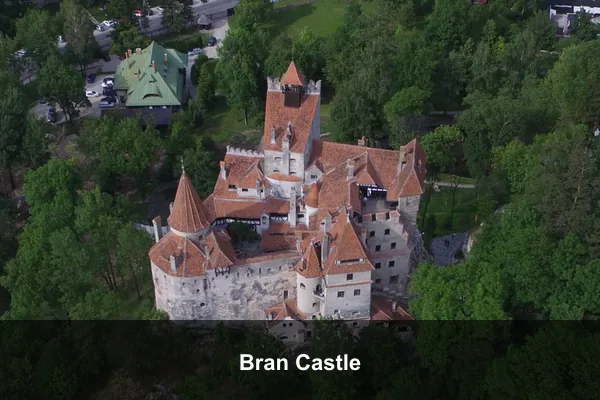
Bran Castle is Romania’s most famous fortress, set dramatically above the mountain village of Bran near Brașov. Visit for its stone towers, narrow stairways, royal rooms, and the folklore that links the castle to Dracula, but give equal time to its real history and Carpathian setting. Weekday mornings outside the summer peak are the best time to enjoy the atmosphere before crowds build; skip the busy midday window if you can. Access is straightforward by bus or car from Brașov, and the trip pairs well with lunch in nearby Moieciu.
| Best for | Castle atmosphere and folklore |
|---|---|
| Location | Bran, near Brașov |
| Best time | Weekday mornings outside summer peaks |
| Access | Bus or car from Brașov |
Additional Info: Skip the busiest midday window and combine the castle with lunch in nearby Moieciu.
Sighișoara Citadel
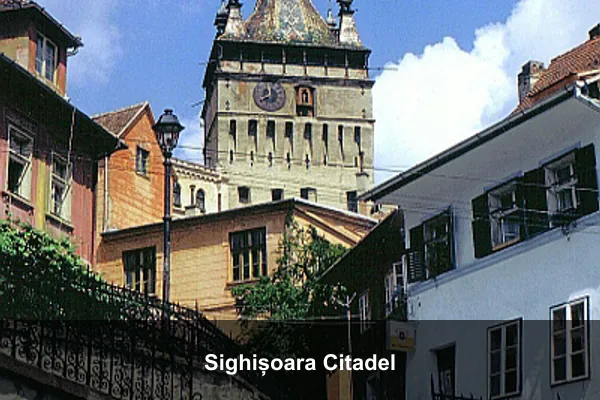
Sighișoara Citadel is one of Transylvania’s most atmospheric medieval stops, a UNESCO-listed hilltop maze of pastel houses, cobbled lanes, towers, and photogenic corners in Mureș County. Visit for slow wandering, the Clock Tower views, tiny museums, fortified walls, and golden-hour photography along streets that still feel lived in rather than staged. May, June, and September bring pleasant weather without the heaviest crowds. Trains connect Sighișoara with Brașov, Sibiu, and Cluj-Napoca, making it easy to add to a Romania itinerary. Stay overnight if possible, as the citadel becomes much calmer and more evocative once day-trippers leave.
| Best for | UNESCO streets and photography |
|---|---|
| Location | Mureș County, Transylvania |
| Best time | May, June, or September |
| Access | Train connections from Brașov, Sibiu, or Cluj-Napoca |
Additional Info: Stay overnight if possible, as the citadel feels much calmer after day-trippers leave.
Sibiu Historic Center and ASTRA Museum
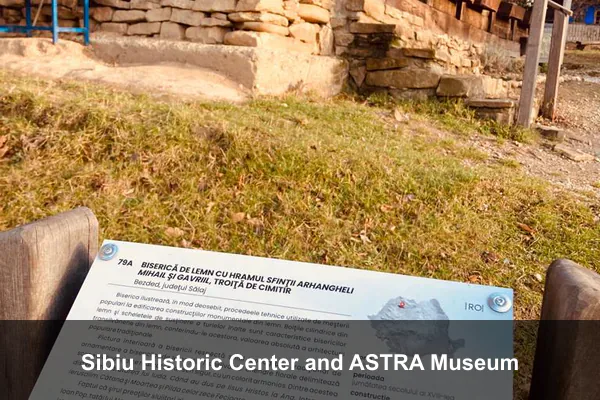
Sibiu Historic Center is one of Romania’s most rewarding stops for architecture, museums, and cafe culture, with Saxon squares, pastel facades, and medieval lanes that invite slow wandering. Start in the old town around Piata Mare, Piata Mica, and the Bridge of Lies, then visit the ASTRA Museum on the city’s edge to see traditional village architecture, wooden churches, mills, and rural homes spread across an open-air landscape. June to September is best for enjoying the outdoor museum comfortably. Sibiu sits in central Romania and is easy to reach by train, bus, car, or flights to Sibiu Airport. Use a taxi or bus for ASTRA Museum, then return to the historic center for an evening in the lively squares.
| Best for | Architecture, museums, and cafe culture |
|---|---|
| Location | Sibiu, central Romania |
| Best time | June-September for outdoor museum visits |
| Access | Train, bus, car, or flights to Sibiu Airport |
Additional Info: Use a taxi or bus for ASTRA Museum, then return to the old town for evening squares.
Transfăgărășan Highway and Bâlea Lake
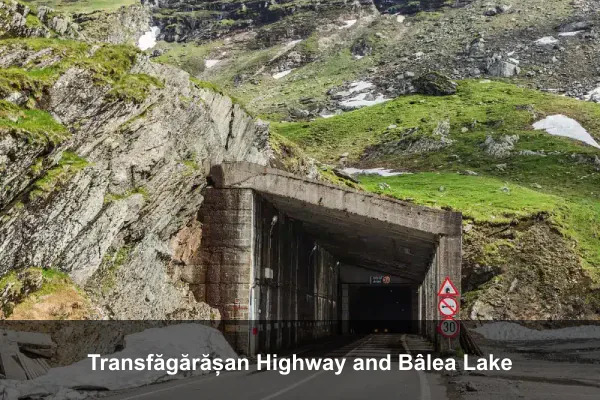
The Transfăgărășan Highway turns the Făgăraș Mountains into one of Romania’s most memorable alpine experiences, climbing through sharp bends, high passes, waterfalls, and wide viewpoints before reaching glacier-carved Bâlea Lake. Visit for dramatic mountain scenery rather than speed: stop often, walk beside the lake, take photos from the upper viewpoints, and linger over the changing weather and peaks. Full road access is usually best from July to September, when the highest section is open, but conditions can shift quickly, so check updates before setting out. A rental car gives the most flexibility, while guided day tours are a practical option if you prefer not to drive the mountain road.
| Best for | High passes, lakes, and dramatic views |
|---|---|
| Location | Făgăraș Mountains |
| Best time | July-September for full road access |
| Access | Best by rental car or guided day tour |
Additional Info: Check road conditions before setting out, as the highest section is seasonal.
Painted Monasteries of Bucovina
The Painted Monasteries of Bucovina make a peaceful cultural detour through Suceava County in northeastern Romania, where fortified churches glow with centuries-old exterior frescoes and village life moves at an unhurried pace. Visit for religious art, quiet rural scenery, and the chance to link monasteries, woodcarving workshops, and traditional meals into a slow loop. If you have only one full day, prioritize Voroneț, Moldovița, and Sucevița; with more time, linger between valleys and smaller villages. May to October brings the easiest weather and road conditions. Base yourself in Suceava or Gura Humorului, and rent a car if possible, since public transport is limited between the monasteries.
| Best for | Religious art and quiet villages |
|---|---|
| Location | Suceava County, northeastern Romania |
| Best time | May-October |
| Access | Base in Suceava or Gura Humorului; car helps |
Additional Info: Prioritize Voroneț, Moldovița, and Sucevița if you only have one full day.
Maramureș Wooden Churches
In Maramureș County, northern Romania, centuries-old wooden churches rise above quiet villages, their tall shingled spires and carved gates making this one of the best places for village culture and wooden architecture. Follow rural roads between valleys, stop in villages where traditions still shape daily life, and step inside timber churches that remain active places of worship. Travel is easiest by car from Baia Mare or Sighetu Marmației, allowing time for slow detours and local encounters. Visit from May to September for green landscapes and open roads, or during the Christmas season for a more atmospheric glimpse of living customs. Dress modestly, speak softly, and avoid rushing, as these churches are not just monuments but part of community life.
| Best for | Village culture and wooden architecture |
|---|---|
| Location | Maramureș County, northern Romania |
| Best time | May-September or Christmas season |
| Access | Best by car from Baia Mare or Sighetu Marmației |
Additional Info: Dress modestly and avoid rushing, as many churches still serve active communities.
Danube Delta Boat Trip from Tulcea
End your Romania itinerary with a Danube Delta boat trip from Tulcea, the gateway to Tulcea County in eastern Romania. Best for birdwatching, slow travel, and nature, this protected wetland reveals canals, reed beds, mirror-like lakes, and fishing villages where life moves with the water. Visit in May-June for nesting birds and lush scenery, or in September for calmer weather and fewer crowds. Reach Tulcea by train or bus, then continue by boat transfer into the delta. For the best experience, book a small-boat guide and confirm reserve permits before entering protected areas.
| Best for | Birdwatching, slow travel, and nature |
|---|---|
| Location | Tulcea County, eastern Romania |
| Best time | May-June or September |
| Access | Train or bus to Tulcea, then boat transfer |
Additional Info: Book a small-boat guide and confirm reserve permits before entering protected areas.
Tips Before You Go
Romania is easiest to plan as a regional loop: Bucharest and Prahova Valley for a short trip, Transylvania for one week, or Transylvania plus Bucovina, Maramureș, and the Danube Delta for a slower two-week route. Trains work well between major cities, but a car is useful for monasteries, villages, mountain roads, and rural viewpoints.
Check seasonal access before you commit to mountain drives, reserve enough time for castle and museum visits, and confirm protected-area rules for the Danube Delta. For heritage context, official references include UNESCO pages for Sighișoara, the Churches of Moldavia, and Maramureș wooden churches.