
Trinidad and Tobago works best when treated as a twin-island trip rather than a single beach stop: Trinidad brings rainforest ridges, wetlands, multicultural heritage, caves, and city energy, while Tobago adds coral shallows, quiet bays, and compact nature escapes.
This plan focuses on practical, high-value places that help travelers balance easy beach days with memorable guided experiences, including when to go, what usually costs money, and which stops need advance booking or operator confirmation.
Queen's Park Savannah and the Magnificent Seven
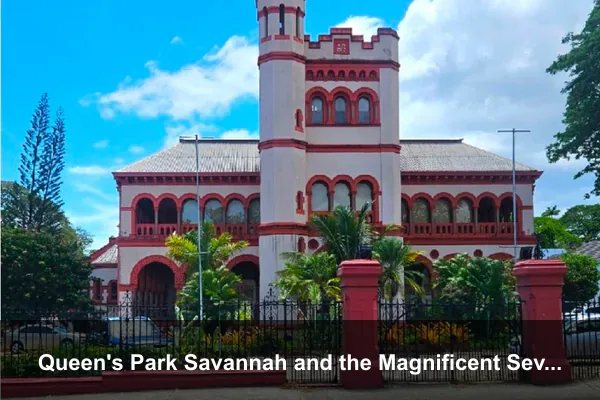
Queen’s Park Savannah is Port of Spain’s grand urban stage, a wide green oval where city life, colonial ambition, and Trinidadian rhythm meet. Framed by the ornate Magnificent Seven mansions, it offers an easy first look at the capital beyond beaches and carnival postcards.
Visitors can walk the perimeter, watch joggers and vendors animate the edges, and pause to study turrets, balconies, and decorative woodwork on landmarks such as Queen’s Royal College and Mille Fleurs. Nearby gardens and historic streets make it simple to turn a short stroll into a relaxed introduction to the city.
Best time to visit: Dry season from January to May; go 6:00-8:00am or 4:00-6:00pm for cooler walking, and time any Mille Fleurs interior visit for Monday-Friday, 9:00am-3:00pm.
Ticket price: Free for the savannah walk; Mille Fleurs is listed as free entry. Source: https://visittrinidad.tt/things-to-do/sites-attractions/queens-park-savannah/ and https://visittrinidad.tt/attractions/mille-fleurs
Maracas Bay and Maracas Lookout
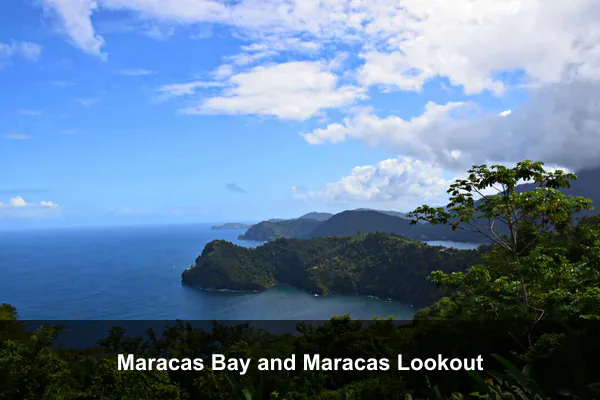
Maracas Bay is Trinidad’s classic north-coast escape, where a dramatic mountain drive drops into a wide crescent of golden sand, palms, and surf. The journey is part of the appeal, especially with a stop at Maracas Lookout for sweeping views over forested hills and the blue curve of the bay below.
Visitors can swim, stroll the shoreline, watch local beach life unfold, and make the essential bake-and-shark stop at the food stalls near the sand. At the lookout, notice the shift from city edge to rainforest road, with photo-worthy angles that set the scene before the beach comes into view.
Best time to visit: Dry season from January to May; weekdays from 8:00-11:00am are best for calmer parking, softer light, and fewer beach crowds.
Ticket price: Free public beach access; food, parking, chairs, and umbrella rentals vary. Source: https://visittrinidad.tt/things-to-do/our-beaches/maracas-bay/
Caroni Swamp Bird Sanctuary
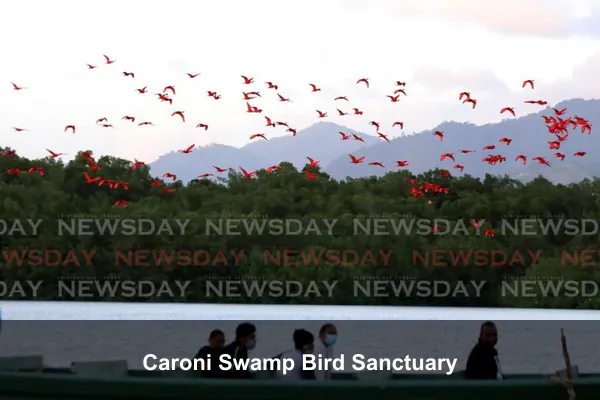
Caroni Swamp Bird Sanctuary is one of Trinidad’s most memorable nature experiences, where a quiet mangrove lagoon becomes a vivid spectacle as scarlet ibises return to roost. The contrast of red birds against darkening wetlands gives the boat trip a rare sense of drama.
Visitors glide through channels lined with red mangroves, watching for herons, egrets, kingfishers, caimans, and tree boas while guides explain the ecosystem. As evening settles, flocks of ibises gather on the roosting islands in brilliant red clusters.
Best time to visit: Dry season from January to May; standard sunset tours usually run around 4:00-6:30pm, with morning tours by arrangement.
Ticket price: No sanctuary entrance fee; boat tours are paid through private operators and prices vary by provider. Source: https://visittrinidad.tt/kiosk-attraction/caroni-swamp-bird-sanctuary/
La Brea Pitch Lake
La Brea Pitch Lake is one of Trinidad’s most unusual natural sights, a vast living sheet of asphalt where geology feels close enough to touch. Its dark, shifting surface makes the southwest coast feel raw and otherworldly.
On a short guided walk, visitors can step across firmer sections, spot tar seams, bubbling vents, mineral pools, and places where the surface slowly reforms. Guides explain how the lake moves, heals, and has shaped local life for generations.
Best time to visit: Dry season from January to May; visit Monday-Friday, 8:00am-5:00pm, with morning tours best for heat and photography.
Ticket price: Visitor Centre entry is free; guided Pitch Lake tours start from about TTD 50 per adult. Source: https://visittrinidad.tt/kiosk-attraction/la-brea-pitch-lake/
Gasparee Caves on Gaspar Grande
Gasparee Caves turn a visit to Chaguaramas into a compact adventure, pairing a short boat ride to Gaspar Grande with one of Trinidad’s most striking limestone cave systems. The reward is a cool underground world of sculpted chambers and a vivid blue pool hidden below the island’s dry coastal landscape.
Visitors can step down into the cave with a guide, watching for stalactites, stalagmites, flowstone textures, and openings where daylight slips into the cavern. The trip also adds views of the Bocas islands and Chaguaramas shoreline, making it an easy half-day break from Port of Spain.
Best time to visit: Dry season from January to May; choose a morning departure on calm-sea days and book through CDA or an approved operator in advance.
Ticket price: CDA cave tour is listed at TTD 120 adults and TTD 90 children, with a 10-person group minimum. Source: https://visittrinidad.tt/things-to-do/tours/gasparee-caves/
Yerette – Home of the Hummingbird
Yerette offers one of Trinidad’s most intimate wildlife encounters, turning a quiet Maracas Valley garden into a living stage for hummingbirds. For bird lovers, it is a rare chance to slow down, sit still, and watch these jewel-toned birds feed, hover, and flash through the tropical greenery at arm’s length.
Visitors can notice the subtle differences between species, from iridescent throat feathers to rapid wingbeats and territorial displays around the feeders. The experience also reveals how carefully planted flowers, patient observation, and local knowledge make this home garden feel like a small sanctuary for Trinidad’s remarkable birdlife.
Best time to visit: Year-round by appointment; the 8:00am tour is best for light and bird activity, with 11:30am and 3:00pm slots also listed.
Ticket price: Appointment-only tours are listed at TTD 210 with a light meal or TTD 285 with full lunch. Source: https://visittrinidad.tt/attractions/yerette
Pigeon Point Heritage Park
Pigeon Point Heritage Park is Tobago’s postcard beach: a long sweep of soft white sand, shallow aquamarine water, and the famous thatched-roof jetty that frames many of the island’s classic views. Its sheltered, gently shelving shoreline makes it one of the easiest places in Trinidad and Tobago to enjoy a relaxed swim without giving up comfort or scenery.
Visitors can float in calm water, walk out toward the jetty for photos, or settle near the palms while watching boats head across Buccoo Reef. Changing areas, food and drink stands, rentals, and shaded spots keep the beach simple to use for families, couples, and first-time Tobago travelers.
Best time to visit: Dry season from January to May or clear July-August days; official beach hours are 9:00am-5:00pm, with weekdays best before midday.
Ticket price: Daily entry is TTD 20 adults and TTD 10 children; chairs, umbrellas, and huts cost extra. Source: https://www.pigeonpoint.tt/fast-facts
Buccoo Reef and Nylon Pool
Buccoo Reef and Nylon Pool make one of Tobago’s easiest and most rewarding sea trips, linking bright reef shallows with a pale offshore sandbank in a single outing. The glass-bottom boat ride gives non-swimmers a clear view of the coral gardens, while the calm water keeps the experience relaxed and family-friendly.
Most visitors join boats from Pigeon Point or Buccoo, glide over reef patches, then stop for simple snorkeling among tropical fish. At Nylon Pool, notice how the sea suddenly turns waist-deep far from shore, creating a natural swimming spot with wide views back toward Tobago’s coastline.
Best time to visit: Dry season and calm-sea days; glass-bottom boats from Pigeon Point commonly depart at 11:00am and 2:00pm.
Ticket price: Tickets are sold by jetty tour operators and prices vary; recent operator listings commonly start around TTD 210 per adult. Source: https://www.pigeonpoint.tt/tours-activities and https://www.tobagobookings.com/offers/Glass-Bottom-Boat-Ride-to-Nylon-Pool-and-Buccoo-Reef
Main Ridge Forest Reserve and Gilpin Trace
Main Ridge Forest Reserve gives Tobago its wild green backbone, with ancient protected rainforest rising above the island’s quieter north coast. Gilpin Trace is its classic forest walk, prized for cool shade, dense canopy, and some of the Caribbean’s most rewarding birding.
Visitors can follow the trail with a guide, listening for calls in the undergrowth and watching for white-tailed sabrewings, blue-backed manakins, jacobins, and flycatchers. Along the way, notice giant trees, mossy gullies, river crossings, and the humid, layered life of Tobago’s interior forest.
Best time to visit: Dry season from January to May; start between 7:00-10:00am for bird activity and finish during daylight before afternoon rain builds.
Ticket price: Entry fees are not consistently listed; budget for a local guide or operator-led hike, with prices varying by route and group size. Source: https://visittobago.gov.tt/gilpin-trace and https://visittobago.gov.tt/eco-adventure-nature/hiking
Argyle Waterfall
Argyle Waterfall is Tobago’s easiest rainforest waterfall to reach, making it a rewarding final stop for travelers who want wild scenery without a demanding hike. Its tiered cascade drops through dense greenery into clear natural pools, offering a cool contrast to the island’s beaches.
Visitors can follow the short Roxborough-side trail, pause at lower viewpoints, and swim where conditions are calm. Along the way, look for bamboo, palms, butterflies, and the sound of forest birds mixing with the falls.
Best time to visit: Dry-season mornings or shortly after light rain for better flow; go during daylight, ideally before 3:00pm so the trail is not rushed.
Ticket price: Entry is listed at TTD 60; a guide is optional and costs extra. Source: https://visittobago.gov.tt/eco-adventure-nature/hiking