

This United Kingdom travel guide is designed as an alternative to the familiar capital-and-postcard route, focusing on places where landscape, archaeology, coastline, and local culture give travelers a stronger sense of the four nations.
The plan balances practical access with distinctive experiences: tidal islands, Roman forts, fossil beaches, canal engineering, windswept islands, and coastal trails that can be combined into regional trips rather than rushed as a single checklist.
Heart of Neolithic Orkney
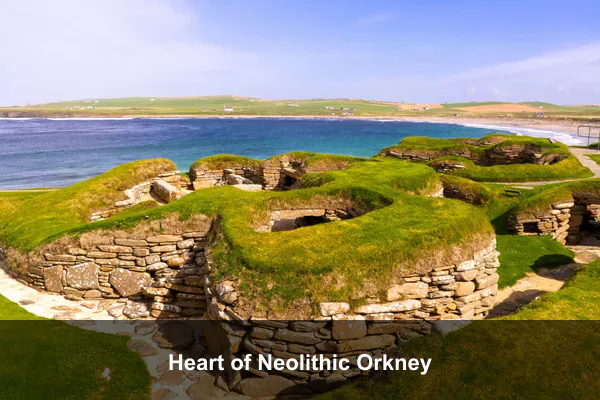
The Heart of Neolithic Orkney offers a quieter, more mysterious side of Scotland, where ancient stone circles, chambered tombs, and island landscapes reveal 5,000 years of human history. Base yourself on Mainland Orkney to visit Skara Brae, Maeshowe, the Standing Stones of Stenness, and the Ring of Brodgar, allowing time for slow drives, coastal walks, and village stops between sites. May to September brings longer daylight, ideal for exploring without rushing. Fly or ferry to Kirkwall, then continue by car or bus; check Skara Brae opening hours in advance and pair it with an early-morning visit to the Ring of Brodgar for a quieter experience.
| Best for | Prehistoric sites and slow island travel |
|---|---|
| Location | Mainland Orkney, Scotland |
| Best time | May to September for longer daylight |
| Access | Fly or ferry to Kirkwall, then drive or bus |
Additional Info: Check opening hours for Skara Brae and pair it with the Ring of Brodgar early in the morning.
Isle of Mull and Staffa

In Scotland’s Inner Hebrides, the Isle of Mull and nearby Staffa offer one of the United Kingdom’s most memorable island escapes, blending coastal villages, dramatic basalt cliffs, sea caves, and rich wildlife. Visit between April and August for the best chance of boat trips, puffins, seals, and seabirds, then join a tour from Mull to Staffa to see Fingal’s Cave. Access is straightforward by ferry from Oban to Craignure, but Staffa landings depend on sea conditions, so keep a spare day if the cave is a priority.
| Best for | Wildlife, sea caves, and island scenery |
|---|---|
| Location | Inner Hebrides, Scotland |
| Best time | April to August for boat trips and puffins |
| Access | Ferry from Oban to Craignure; tours from Mull |
Additional Info: Staffa landings depend on sea conditions, so keep a spare day if Fingal's Cave is a priority.
Northumberland Coast and Holy Island of Lindisfarne
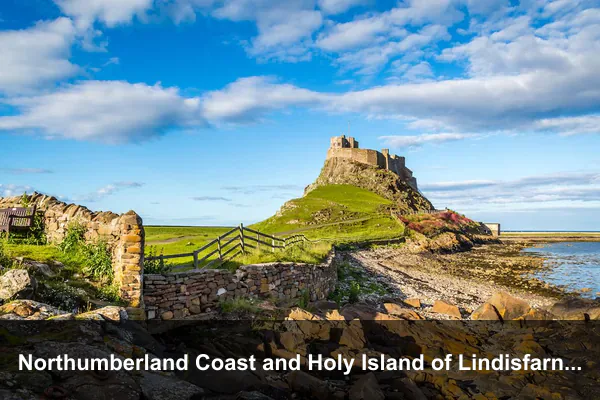
Northumberland Coast and Holy Island of Lindisfarne offer one of the United Kingdom’s quietest and most atmospheric coastal journeys, with ruined castles, wide dunes, seabird-rich shores, and sweeping North Sea views. Visit Bamburgh Castle, walk windswept beaches, watch for birdlife around the Lindisfarne National Nature Reserve, then cross to Holy Island for its priory, castle, and village calm. The area is in North East England and is best explored in May to June or September, when weather is milder and crowds are lighter. Drive via the A1 or take the train to Berwick-upon-Tweed, and always check the official safe crossing times before driving or walking the Lindisfarne causeway.
| Best for | Castles, tidal island visits, and birdlife |
|---|---|
| Location | North East England |
| Best time | May to June or September |
| Access | Drive via A1 or train to Berwick-upon-Tweed |
Additional Info: Use official safe crossing times before driving or walking the Lindisfarne causeway.
Hadrian's Wall at Housesteads and Vindolanda

Hadrian’s Wall at Housesteads and Vindolanda is one of the best places in the United Kingdom for pairing Roman history with open-country walking. In Northumberland and Cumbria, this frontier landscape lets you explore the atmospheric ruins of Housesteads Roman Fort, then dig deeper into daily Roman life at Vindolanda’s outstanding museum and excavated settlement. For a memorable short hike, walk from Housesteads to Steel Rigg, a dramatic stretch with sweeping views and no need to commit to the full trail. The easiest access is by train to Hexham or Haltwhistle, then the AD122 bus; visit from April to October when seasonal bus links make the route much simpler.
| Best for | Roman history, museums, and walking |
|---|---|
| Location | Northumberland and Cumbria, England |
| Best time | April to October for seasonal bus links |
| Access | Train to Hexham or Haltwhistle, then AD122 bus |
Additional Info: Walk Housesteads to Steel Rigg for a dramatic short stretch without committing to the full trail.
Fountains Abbey and Studley Royal Water Garden

Fountains Abbey and Studley Royal Water Garden is one of the United Kingdom’s most atmospheric heritage days out, pairing vast Cistercian ruins with elegant Georgian water gardens near Ripon in North Yorkshire. Visit for UNESCO-listed history, quiet riverside walks, mirror-like views, follies, lawns, and picnic spots that feel especially rewarding from April to October. Arrive close to opening time to see the abbey reflected in the water garden before the busiest groups arrive, then follow the paths through the designed landscape at an unhurried pace. Access is easiest by car, with bus options from Ripon and Harrogate.
| Best for | UNESCO heritage, ruins, and gardens |
|---|---|
| Location | Near Ripon, North Yorkshire |
| Best time | April to October for gardens and picnics |
| Access | Drive or bus from Ripon and Harrogate |
Additional Info: Arrive near opening time to see the abbey reflected in the water garden before the busiest groups.
Jurassic Coast Fossil Walks at Lyme Regis and Charmouth
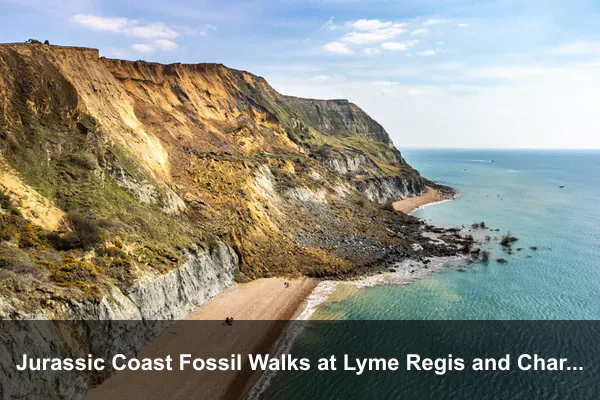
Lyme Regis and Charmouth turn the Jurassic Coast into a hands-on geology adventure, ideal for fossils, families, and coastal walks. Search shingle beaches for ammonites, visit local fossil museums, and pair cliff-backed trails with classic seaside stops for fish and chips or harbor views. The best fossil walks run from March to October, especially around low tide, but always check tide times and join a guided walk, as unstable cliffs and mudslides can be dangerous. For access, take the train to Axminster, then continue by bus to Lyme Regis.
| Best for | Fossils, families, and coastal walks |
|---|---|
| Location | Dorset-Devon border, England |
| Best time | March to October; low tide for fossil walks |
| Access | Train to Axminster, then bus to Lyme Regis |
Additional Info: Join a guided fossil walk after checking tide times because cliffs and mudslides can be hazardous.
Dartmoor Tors and Wistman's Wood

Dartmoor brings a wilder edge to Devon, with open moorland paths leading between wind-shaped granite tors, quiet valleys, and the tangled ancient oaks of Wistman’s Wood. It is best for hiking, wild scenery, and atmospheric rural landscapes, especially in late spring or early autumn when the light is soft and the trails feel rewarding without peak-season crowds. Most visitors drive for flexibility, though you can also travel by train to Exeter or Plymouth and continue by bus to gateway villages. Even on short walks, carry an offline map and extra layers, as Dartmoor weather can change quickly.
| Best for | Hiking, granite tors, and wild scenery |
|---|---|
| Location | Devon, South West England |
| Best time | Late spring or early autumn |
| Access | Drive, or train to Exeter or Plymouth plus bus |
Additional Info: Carry an offline map and layers, as Dartmoor weather can change quickly even on short walks.
St Davids Peninsula and Pembrokeshire Coast Path

In West Pembrokeshire, St Davids makes a compact coastal base where Wales’s smallest city pairs cathedral history with some of the UK’s most dramatic sea cliffs. Visit St Davids Cathedral, then head onto the Pembrokeshire Coast Path for wildflower-fringed walks, seal-spotting coves, and boat trips to offshore wildlife islands in the calmer May to September season. For easier logistics, use the coastal shuttle buses to walk rewarding one-way sections instead of retracing exposed cliff paths. Arrive by train to Haverfordwest, then continue by bus to St Davids.
| Best for | Coastal hikes, cathedral visits, and wildlife |
|---|---|
| Location | West Pembrokeshire, Wales |
| Best time | May to September for boats and wildflowers |
| Access | Train to Haverfordwest, then bus to St Davids |
Additional Info: Use coastal shuttle buses to walk one-way sections instead of retracing exposed cliff paths.
Pontcysyllte Aqueduct and Llangollen Canal

Pontcysyllte Aqueduct and the Llangollen Canal offer one of north Wales’s most memorable slow-travel experiences, blending canal-boat heritage, gentle towpath walks, and bold 19th-century engineering. Set between Denbighshire and Wrexham, it is ideal for easy walking, waterside views, and boat trips through the Vale of Llangollen, especially from April to October when services are most active. The aqueduct crossing is the highlight, though walkers should only take the towpath across if comfortable with heights, as the railing is on one side. For public transport, take the train to Ruabon, then continue by bus or taxi to Llangollen.
| Best for | Canal boats, engineering, and easy walks |
|---|---|
| Location | Denbighshire and Wrexham, Wales |
| Best time | April to October for boat trips |
| Access | Train to Ruabon, then bus or taxi to Llangollen |
Additional Info: Walk the towpath across the aqueduct only if heights are comfortable, as the railing is on one side.
Giant's Causeway and Causeway Coast Way

On County Antrim’s wild north coast, Giant’s Causeway and the Causeway Coast Way pair UNESCO-listed basalt columns with breezy clifftop walking and wide Atlantic views. Visit to hop across the hexagonal stones, follow sections of the coastal path above sea caves and headlands, and pause in nearby villages for seafood, tea, or a quiet harbor stroll. May to September brings the most reliable walking weather, while sunrise is best for fewer crowds and softer light. The easiest access is by driving from Belfast, though Translink and Ulsterbus services also connect the area. After rain, the stones can be slick, so wear grippy shoes even if you only plan a short walk to the causeway.
| Best for | UNESCO geology and clifftop walks |
|---|---|
| Location | County Antrim, Northern Ireland |
| Best time | May to September; sunrise for fewer crowds |
| Access | Drive from Belfast or use Translink/Ulsterbus |
Additional Info: The stones are slippery after rain, so wear grippy shoes even for a short visit to the main causeway.
Tips Before You Go
Build this itinerary as regional clusters rather than one sprint: Scotland’s islands need buffers, northern England works well by rail and bus, Wales benefits from coastal shuttles, and Northern Ireland is easiest as a Belfast or Derry-based side trip.
Before booking, check tide tables, ferry schedules, seasonal buses, and site opening hours. Pack waterproof layers, reserve peak-season accommodation early, and leave flexible time for weather-dependent boat trips and coastal walks.
