
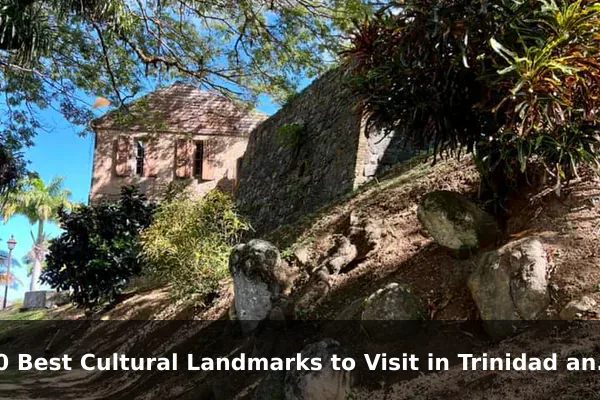
Trinidad and Tobago rewards cultural travelers with more than beach breaks: its forts, temples, museums, Parliament buildings, archaeological sites, and estate villages trace First Peoples history, colonial change, Indo-Trinidadian heritage, Carnival creativity, and Tobago’s layered past.
This plan keeps the angle focused on landmark-based heritage experiences rather than a general sightseeing list. It mixes Port of Spain access, central and south Trinidad day trips, and Tobago stops, with practical notes on timing, transport, dress codes, booking, and likely costs.
The Red House and Rotunda Gallery
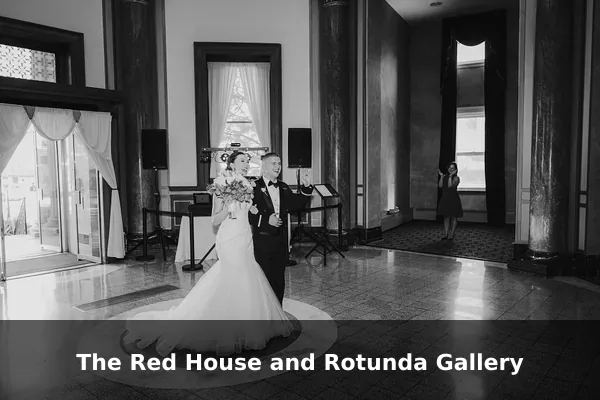
The Red House is one of Trinidad and Tobago’s most recognizable civic landmarks, a restored seat of Parliament whose distinctive red exterior anchors the heart of Port of Spain. A visit here offers a rare chance to step inside a working national institution while engaging with the country’s political history, architecture, and the layered archaeological discoveries uncovered during its long restoration.
Inside, guided Parliament tours walk visitors through the chambers and key civic spaces, while the Rotunda Gallery showcases rotating public exhibitions that highlight national identity, art, and heritage. Look for the architectural details of the rotunda itself, interpretive displays about the building’s restoration, and the contrast between the formal parliamentary rooms and the more accessible gallery space open to the public.
Travel tip: Book Parliament tours in advance and follow the dress code; avoid slippers, short pants, sleeveless tops, political emblems, and offensive prints.
Best time to visit: Monday or Thursday at 10:00 AM, 11:00 AM, or 1:00 PM by appointment for Parliament tours; weekday mornings for the Rotunda Gallery.
Ticket price: Tours are generally free, but access is by appointment and subject to parliamentary scheduling.
Fort George, Port of Spain
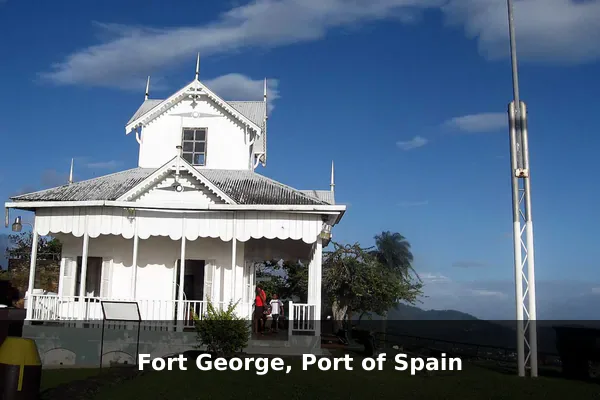
Perched high above the capital, Fort George rewards the climb with one of the broadest panoramas in Trinidad, stretching across Port of Spain and out over the Gulf of Paria. The site brings together early 19th-century military history and a quieter, breezy hilltop atmosphere that makes it a favorite stop for both heritage-minded travelers and locals seeking a scenic afternoon view.
On the grounds you can wander among preserved cannons, stone fortifications, and the small signal station once used to communicate with ships entering the harbor. Interpretive markers help piece together the fort’s defensive role, while clear-weather views toward the western peninsula and the offshore islands make this an ideal spot for photography before the late-afternoon light fades.
Travel tip: Go by hired car or taxi because the road is steep, and leave before dark if you are not traveling with a local driver.
Best time to visit: Dry season afternoons from about 3:30 PM to 5:00 PM, before the usual 5:30 PM closing time.
Ticket price: Free and open to the public.
Nelson Island Heritage Tour
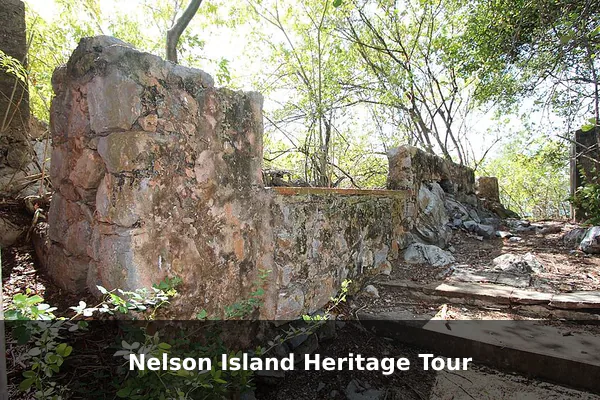
Nelson Island, a small islet in the Gulf of Paria, carries an outsized weight in Trinidad and Tobago’s history. It served at different times as an immigration depot for indentured arrivals from India, a quarantine station, a wartime internment site, and a detention place for political figures, making a guided visit a powerful way to connect with stories that shaped the nation.
Guests typically arrive by boat as part of an organized heritage tour and are led through the surviving buildings, dormitories, and waterfront structures with on-site interpretation. Look for original architectural features, exhibits referencing notable detainees, and the quiet coastal setting that contrasts sharply with the difficult human histories the island preserves.
Travel tip: Permission and tour arrangements are required, so contact the National Trust before booking transport to the departure point.
Best time to visit: Dry season mornings for calmer boat conditions and better walking conditions on the island.
Ticket price: Prices vary; official listings describe tour pricing as available upon request.
Lopinot Historical Complex
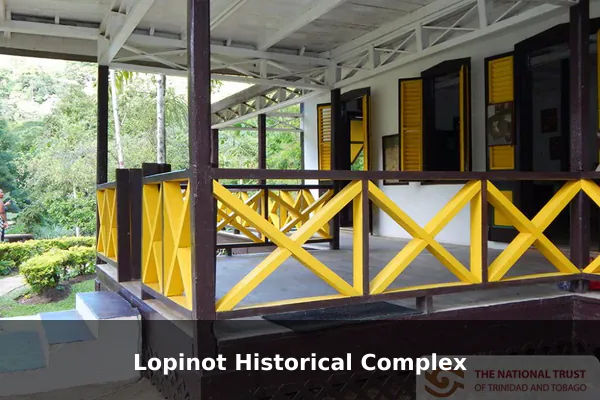
Tucked into a green valley in the Northern Range, the Lopinot Historical Complex preserves the remains of a former cocoa estate established under French settler Charles Joseph de Lopinot. The site offers a thoughtful look at the layered legacy of plantation life in Trinidad, including the central role of enslaved Africans whose labor shaped the estate and the surrounding community.
Visitors can explore the restored estate house, which functions as a small museum, and walk the grounds where cocoa houses, ruins, and shaded trails illustrate daily estate operations. The complex is also known for its living parang music traditions, and travelers may find local guides, craft sellers, and small food vendors offering cocoa-based products from the surrounding village.
Travel tip: Use a driver or organized tour from Port of Spain or Arima, and bring cash if you plan to buy cocoa products or local food.
Best time to visit: Daily during the dry season, ideally 8:00 AM to 11:00 AM or 3:00 PM to 5:00 PM within the usual 6:00 AM to 6:00 PM access window.
Ticket price: Entry is generally free; guided tours or add-on experiences may vary in price.
Banwari Trace Archaeological Site
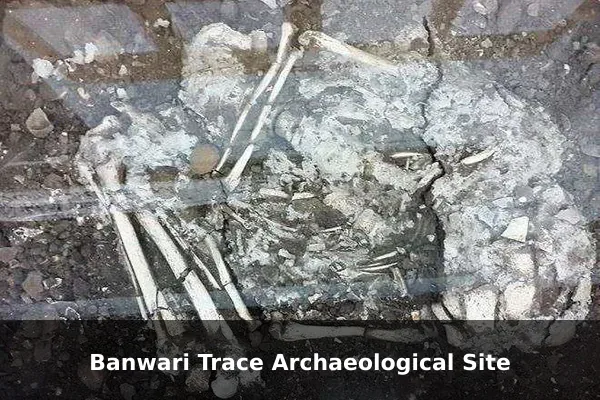
Banwari Trace, in south Trinidad, is widely regarded as one of the oldest known human settlement sites in the Caribbean and is closely tied to the legacy of the country’s First Peoples. For travelers interested in deep regional history, it offers a rare opportunity to engage with a landscape that pushes the human story of Trinidad and Tobago back thousands of years.
Because the site is sensitive and not a developed tourist attraction, meaningful visits depend on knowledgeable guides who can interpret the archaeological context, discuss past excavation findings, and explain its significance to ongoing First Peoples heritage. Visitors should expect a low-key, respectful experience focused on landscape, story, and conservation rather than on-site facilities or signage.
Travel tip: Arrange a knowledgeable guide or National Trust-linked visit because public access is limited and the site is sensitive.
Best time to visit: Dry season mornings, especially after several rain-free days, to reduce mud and access issues.
Ticket price: Limited-access site; prices vary if visited through a guided heritage tour.
Siewdass Sadhu Temple in the Sea

The Siewdass Sadhu Temple in the Sea at Waterloo is one of the most moving symbols of Indo-Trinidadian devotion, built offshore by a single laborer named Siewdass Sadhu after he was barred from constructing it on land. Its quiet position above the Gulf of Paria, reached by a slender causeway, gives the site a contemplative atmosphere that few other landmarks in the country can match.
Visitors can walk the causeway out to the octagonal mandir, observe Hindu icons and offerings inside, and pause along the shoreline cremation site nearby that adds historical context. Late afternoon light over the water is especially striking, and travelers often combine the visit with other heritage stops in the Waterloo area.
Travel tip: Dress modestly, remove shoes where required, and avoid intrusive photography during prayer or ceremonies.
Best time to visit: Late afternoon in the dry season, especially before sunset, while allowing enough time to leave in daylight.
Ticket price: Usually free to visit; donations may be welcomed.
Dattatreya Yoga Center Mandir and Hanuman Statue

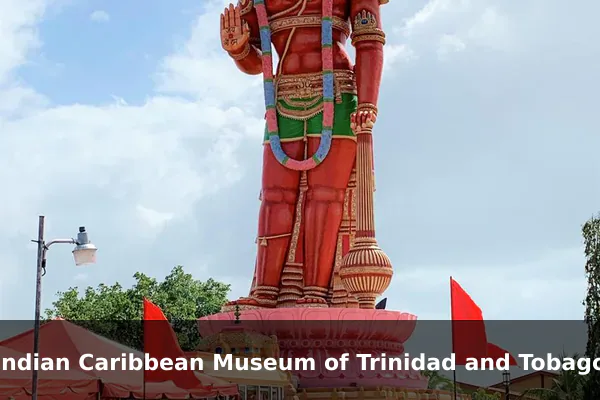
The Dattatreya Yoga Center in Carapichaima is home to a vividly painted Dravidian-style mandir and an 85-foot Hanuman murti that is widely cited as one of the tallest outside India. The complex stands out for its South Indian architectural detailing, making it a distinctive stop on any Hindu heritage route through central Trinidad.
Inside the visiting windows, guests can circle the towering Hanuman statue, study the sculpted gopuram and shrine niches, and observe daily worship from a respectful distance. The grounds also offer quiet space for reflection, and informational signage helps newcomers understand the symbolism behind the deities and rituals.
Travel tip: Wear modest clothing, speak softly on the grounds, and check worship times before planning detailed photography.
Best time to visit: Sunday to Saturday during the listed 9:00 AM to 12:00 PM or 5:00 PM to 7:00 PM visiting windows.
Ticket price: No standard entry fee is listed.
Indian Caribbean Museum of Trinidad and Tobago
The Indian Caribbean Museum at Waterloo offers an essential lens on the indentureship era and the Indo-Caribbean community that grew from it. Its compact galleries gather artifacts, photographs, genealogy resources, and folk art that together tell a story rarely covered in such depth elsewhere on the island.
Visitors can browse displays on shipboard journeys, plantation life, religious practice, music, and family histories, with staff often available to explain context. The museum pairs naturally with the nearby Temple in the Sea, allowing travelers to connect documented history with a living devotional landscape just minutes away.
Travel tip: Pair it with the nearby Temple in the Sea, but call ahead because published opening-day details can change.
Best time to visit: Late morning on a confirmed opening day, giving at least one hour before moving on to Waterloo's other heritage sites.
Ticket price: Free entry is commonly listed; donations are accepted.
Trinidad and Tobago Carnival Museum

The Trinidad and Tobago Carnival Museum in Port of Spain turns the country’s signature festival into a year-round cultural experience, preserving the artistry, music, and memory behind mas. It is a useful stop for travelers who cannot time their visit to Carnival season but still want to understand its central place in national identity.
Inside, visitors can examine elaborate masquerade costumes, learn about pan, calypso, and soca traditions, and follow exhibits tracing Carnival’s evolution from emancipation-era celebrations to its modern form. Rotating displays and curated storytelling make even a short visit feel substantial.
Travel tip: Allow 60 to 90 minutes and check ahead for group requirements or temporary exhibition changes.
Best time to visit: Wednesday to Saturday from 10:00 AM to 5:00 PM, or Sunday from 2:00 PM to 5:00 PM; mornings are usually easier for planning.
Ticket price: Likely TT$60 for visitors age 12 and over and TT$10 for children under 12; confirm current rates before visiting.
Fort King George, Scarborough
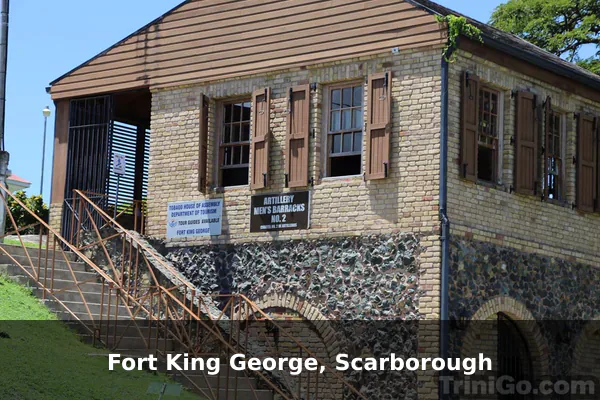
Fort King George sits on a breezy hilltop above Scarborough and anchors Tobago’s cultural sightseeing, combining well-preserved 18th-century fortifications with sweeping views over the harbor and coastline. The site reflects the island’s layered colonial past and is widely featured in official Tobago heritage listings.
Visitors can wander among cannon emplacements, the old powder magazine, and restored buildings that include the Tobago Museum, where artifacts from Amerindian, African, and European history are displayed. The grounds also offer shaded benches and lookouts that make it a pleasant pause between exploring Scarborough and the nearby coast.
Travel tip: Take a taxi from Scarborough or your hotel, and combine the fort with a short Tobago heritage walk if time allows.
Best time to visit: Weekday mornings from 8:00 AM to 10:00 AM or late afternoon in the dry season for cooler weather.
Ticket price: Fort grounds are generally free; museum or exhibition fees may vary.
Official references
- National Trust of Trinidad and Tobago – Primary heritage authority for protected and listed cultural, historical, architectural, and archaeological sites in Trinidad and Tobago.
- Visit Trinidad – Official Tourism Website – Official destination tourism source with visitor-facing details for Trinidad attractions such as Fort George, useful for travel tips and access information.
- Visit Tobago – Historical Sites and Attractions – Official Tobago tourism source covering historical forts, museums, and cultural heritage attractions on Tobago.
- UNESCO World Heritage Centre – Trinidad and Tobago – Primary international heritage reference for Trinidad and Tobago World Heritage status and tentative-list context.
- National Archives of Trinidad and Tobago – Official national archive for historical records and documentary heritage, useful for verifying cultural and historical background.
