
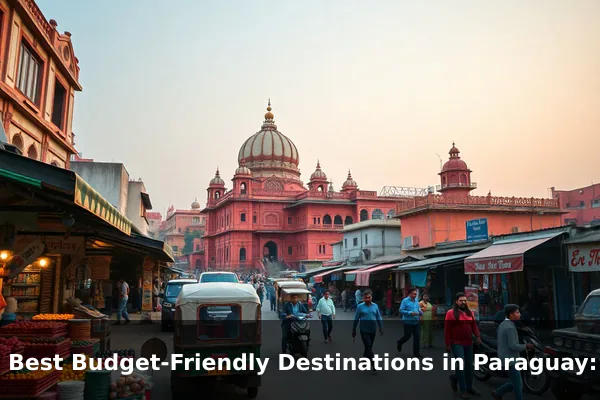
Paraguay remains one of South America’s most affordable travel destinations, where modest budgets stretch remarkably far thanks to low accommodation costs, inexpensive local cuisine, and free or low-cost access to many cultural and natural attractions. From the colonial streets of Asunción to the wetlands of the Chaco, travelers can experience authentic Guaraní culture, Jesuit heritage, and subtropical landscapes without the premium price tag found in neighboring Argentina or Brazil.
This guide highlights ten budget-friendly destinations across Paraguay, with practical tips on transport, timing, and entry fees to help you plan a memorable trip without overspending. Because prices, opening hours, and safety conditions can change, always confirm current details with official sources such as SENATUR (senatur.gov.py) and consult your government’s travel advisory before departure. Carry small Paraguayan guaraní bills for local markets, food stalls, and rural bus fares where card payments are rarely accepted.
Asunción Historic Center
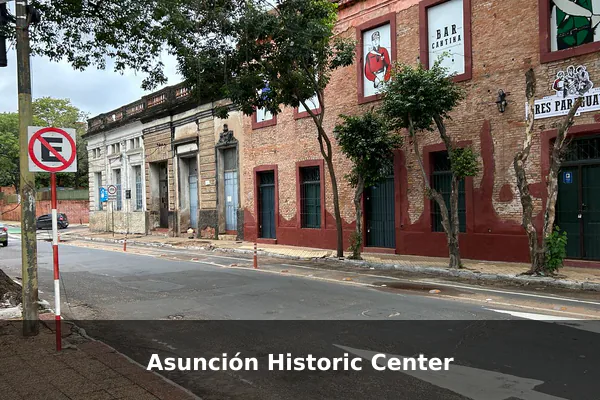
Asunción’s historic core packs centuries of Paraguayan history into a compact, walkable area along the Paraguay River, making it one of the most affordable capital experiences in South America. Grand civic buildings, shaded plazas, and riverfront vistas are accessible without an entry fee, giving budget travelers a rich introduction to the country’s identity.
Visitors can admire the pink-and-white Palacio de los López from the public plaza, pay respects at the Panteón de los Héroes where Paraguay’s national figures rest, and people-watch at Plaza de la Democracia. The Manzana de la Rivera complex and nearby Cabildo museum add cultural depth, while the riverfront Costanera offers wide views over the bay.
Travel tip: Most central sights are walkable from the riverfront; carry water, wear sun protection, and avoid quiet streets after dark.
Best time to visit: May to September during the cooler dry season; visit landmarks 8:00 AM–11:00 AM to beat heat and crowds.
Ticket price: Most outdoor landmarks and the Panteón de los Héroes are free; small donations welcomed.
Mercado 4, Asunción
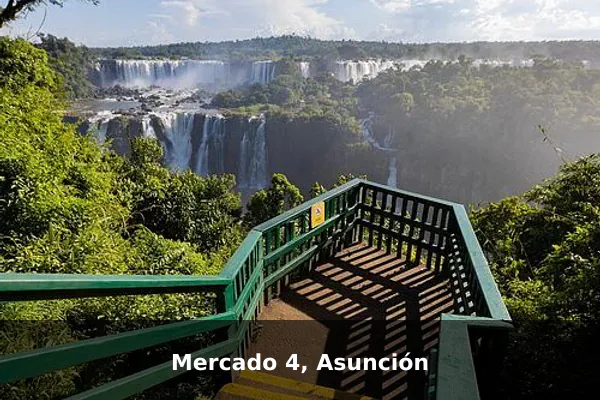
Mercado 4 is the beating commercial heart of Asunción, a sprawling labyrinth of stalls where Paraguayans shop daily for produce, herbs, clothing, and household goods. For travelers on a tight budget, it is the best place to sample authentic local food and observe everyday life away from polished tourist zones.
Wander past pyramids of mangoes and watermelons, baskets of yerba mate, and bundles of pohã ñana medicinal herbs sold by Guaraní-speaking vendors. Sit at a simple counter for chipa guasú, sopa paraguaya, or a grilled milanesa sandwich, and pick up inexpensive souvenirs such as ao po’i embroidered textiles or hammocks woven in the countryside.
Travel tip: Bring small guaraní notes, leave valuables at your accommodation, and go with a local guide or in a group for first visits.
Best time to visit: Weekday mornings from 7:00 AM to 11:00 AM for the freshest stalls and lighter crowds.
Ticket price: Free entry; street food typically costs under 20,000 PYG per meal (prices vary).
Ciudad del Este and Salto Monday
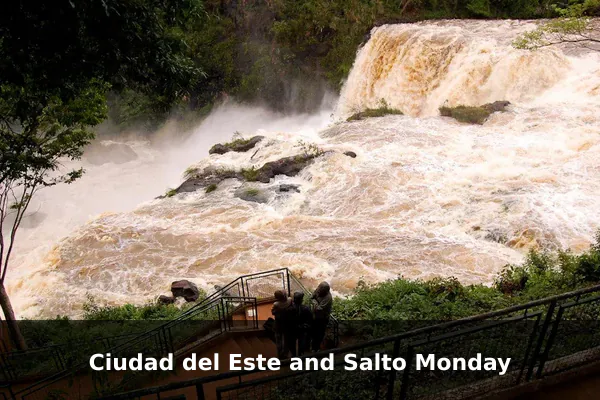
Ciudad del Este sits at the triple frontier with Brazil and Argentina and is best known for duty-free shopping that draws bargain hunters from across the region. Pairing the city with nearby Salto Monday turns a transit stop into a rewarding low-cost day trip, combining urban energy with a powerful natural spectacle.
Browse electronics, perfumes, and clothing in the bustling microcentro, then head about ten kilometers south to Salto Monday, where the Monday River drops roughly 40 meters across a wide curtain of falls. Viewing platforms, a short forest trail, and an optional zipline let visitors appreciate the cascade from several angles without the steep entry fees of better-known waterfalls in the region.
Travel tip: Take a short taxi or rideshare from the city center to the falls; keep your passport handy due to proximity to the Brazil border.
Best time to visit: November to March for fullest water flow; visit the falls between 8:00 AM and 4:00 PM.
Ticket price: Salto Monday entry is approximately 25,000–35,000 PYG (prices vary); confirm locally.
Jesuit Ruins of Trinidad and Jesús de Tavarangue
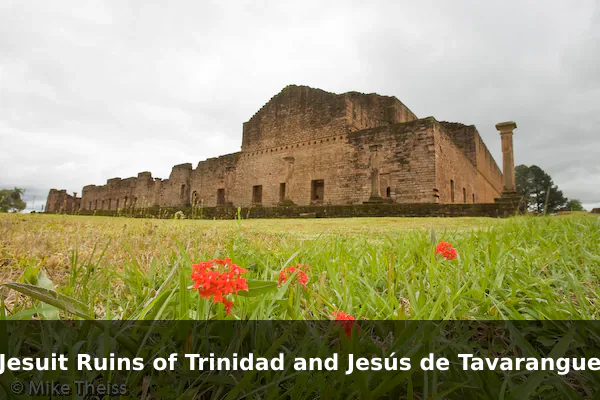
The Jesuit Missions of La Santísima Trinidad del Paraná and Jesús de Tavarangue, inscribed on the UNESCO World Heritage list, preserve the haunting red-stone remains of 17th- and 18th-century reductions where Jesuit priests and Guaraní communities lived together. Compared with similar heritage sites elsewhere, entry fees here remain modest, making this a standout cultural value in Paraguay.
At Trinidad, visitors can walk among carved sandstone friezes, the main church, bell tower, and indigenous workshops, while Jesús de Tavarangue showcases the unfinished but architecturally ambitious mission church about 12 kilometers away. Interpretive panels explain daily life in the reductions, and on select evenings a sound-and-light show illuminates the ruins after dark.
Travel tip: A single combined ticket covers both sites; rent a car or take a local bus from Encarnación to reach Jesús, which is less serviced.
Best time to visit: April to October for cooler weather; arrive early or stay for evening light shows when scheduled.
Ticket price: Combined entry around 35,000–50,000 PYG (prices vary); check with SENATUR for current fees.
Encarnación Riverfront and Costanera

Encarnación, often called the Pearl of the South, has reinvented its waterfront into a long landscaped Costanera with sandy public beaches on the Paraná River. It offers a rare combination in landlocked Paraguay: free river swimming, breezy promenades, and an orderly, walkable layout that suits budget-conscious travelers.
Spend the day swimming at San José or Mboi Ka’e beaches, jogging or cycling the riverside path, and sampling chipa and tereré from kiosks along the shore. In the evenings the Costanera fills with families and street performers, and during Carnival season the avenue transforms into one of South America’s most affordable parade routes.
Travel tip: Public buses connect the Costanera to the bus terminal cheaply; bring sun protection as shade is limited on the beach.
Best time to visit: December to February for swimming weather, though crowds peak during Carnival in late January or February.
Ticket price: Free access to public beach and promenade; lounger and umbrella rentals vary.
Areguá and Lake Ypacaraí
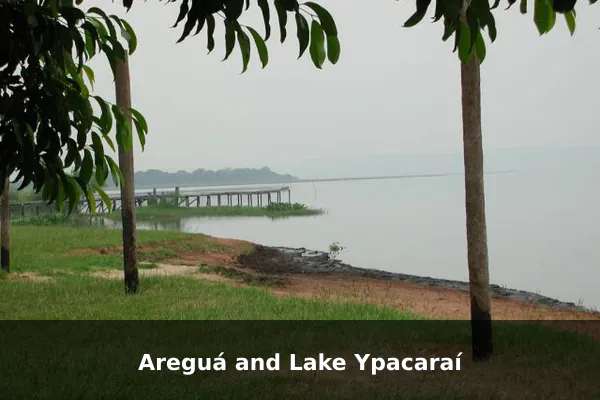
Areguá is a charming cobblestone town just a short ride from Asunción, perched on a hillside that frames sweeping views of Lake Ypacaraí. Its blend of colonial architecture, vibrant ceramics tradition, and seasonal strawberry harvest makes it one of Paraguay’s most affordable cultural escapes for travelers on a tight budget.
Visitors can wander past artisan studios lining the main street, watch potters shape clay using techniques passed down for generations, and pause at lookout points for postcard views of the lake. Strolling the lakeside promenade, browsing weekend art markets, and sampling fresh strawberry juice or jam from roadside stalls offer plenty of low-cost enjoyment.
Travel tip: Hop on the cheap suburban bus from Asunción; bargain politely at ceramic stalls and try fresh strawberry juice in season.
Best time to visit: September to November during strawberry season; weekends are lively but weekdays are quieter.
Ticket price: Free to explore; ceramics and food are inexpensive (prices vary).
San Bernardino

Founded by German settlers in the late 19th century, San Bernardino remains Paraguay’s most beloved lakeside retreat and an accessible weekend destination from the capital. Outside the peak summer rush, prices for lodging and meals drop noticeably, making it a relaxed budget pick with European-tinged architecture and a calm small-town atmosphere.
Travelers can stroll the shaded lakefront, rent bicycles or kayaks where available, and explore cafés serving German-Paraguayan baked goods at modest prices. Quiet plazas, historic guesthouses, and sunset viewpoints over Lake Ypacaraí provide ample free entertainment beyond paid activities.
Travel tip: Travel midweek for cheaper guesthouses; check local water quality advisories before swimming in the lake.
Best time to visit: Spring and early summer (October–December) for pleasant weather without peak holiday pricing.
Ticket price: Free public access to the lakefront; activities and rentals vary.
Cerro Corá National Park

Tucked into the rugged Amambay region near the Brazilian border, Cerro Corá National Park combines striking sandstone hills, dense forest, and powerful historical significance as the site of the final battle of the Triple Alliance War. Its remote setting and minimal commercial development make it one of Paraguay’s most budget-friendly nature experiences for adventurous visitors.
Hikers can climb modest peaks for panoramic views, visit stone monuments commemorating Marshal López, and look out for monkeys, parrots, and other native wildlife along the trails. Ancient petroglyphs, shaded picnic spots, and quiet rivers reward those willing to venture off the main paths.
Travel tip: Roads can be rough; hire a local driver from Pedro Juan Caballero and bring your own food and water as facilities are limited.
Best time to visit: May to September during the dry season for safer trails and clearer skies.
Ticket price: Park entry is typically free or a nominal fee; confirm with SENATUR before visiting.
Filadelfia and the Mennonite Chaco

Filadelfia is the orderly heart of Paraguay’s Mennonite colonies, set deep in the vast Gran Chaco wilderness where dirt roads, wide skies, and cooperative dairies define daily life. The town offers a culturally distinctive yet affordable base for exploring one of South America’s wildest frontiers without the steep costs typical of remote eco-destinations.
Visitors can tour the Jakob Unger Museum to learn about the colony’s pioneer history, sample German-style breads and cheeses, and arrange affordable excursions toward Defensores del Chaco National Park for birding and wildlife spotting. Quiet streets, well-stocked cooperative supermarkets, and friendly local guides make logistics simple for independent travelers.
Travel tip: Buses from Asunción to Filadelfia take roughly 8 hours; book overnight services and bring layers for cold desert nights.
Best time to visit: May to August for cooler, drier weather suitable for wildlife excursions.
Ticket price: Town access is free; community museums charge modest fees of around 10,000–20,000 PYG (prices vary).
Yaguarón and the Franciscan Church
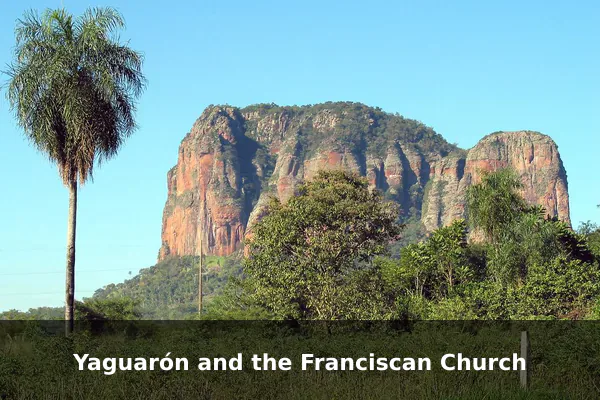
The small town of Yaguarón shelters one of South America’s most extraordinary colonial monuments: a Franciscan church whose unassuming whitewashed exterior conceals a richly carved and painted interior crafted by Indigenous Guaraní artisans. Easily reached from Asunción, it offers a rewarding heritage stop with no admission cost beyond a voluntary donation.
Inside, visitors can admire intricate wooden altars, hand-painted ceilings, and detailed pulpits that blend European Baroque influences with local craftsmanship. The surrounding plaza, modest local eateries, and views toward the nearby Yaguarón hill round out a quiet, low-budget cultural visit.
Travel tip: Combine with a day trip to Paraguarí by inexpensive intercity bus; modest dress is appreciated inside the church.
Best time to visit: Year-round; visit between 8:00 AM and 11:30 AM or 2:00 PM and 5:00 PM, outside Sunday Mass.
Ticket price: Free entry; donations appreciated for upkeep.
Official references
- Secretaría Nacional de Turismo del Paraguay (SENATUR) – Official Paraguayan tourism board with authoritative destination information, official travel guidance, and regional attractions
- U.S. Department of State – Paraguay Travel Advisory – Official safety, security, and entry requirement information for travelers to Paraguay
- UK Foreign, Commonwealth & Development Office – Paraguay Travel Advice – Official UK government travel advisory covering safety, health, and local laws in Paraguay
- Dirección Nacional de Migraciones Paraguay (migraciones.gov.py) – Official immigration authority for visa, entry, and border requirements
- Banco Central del Paraguay – Official source for Paraguayan guaraní exchange rates, useful for accurate budget estimates
